Escalating Housing Crisis on Australia’s East Coast
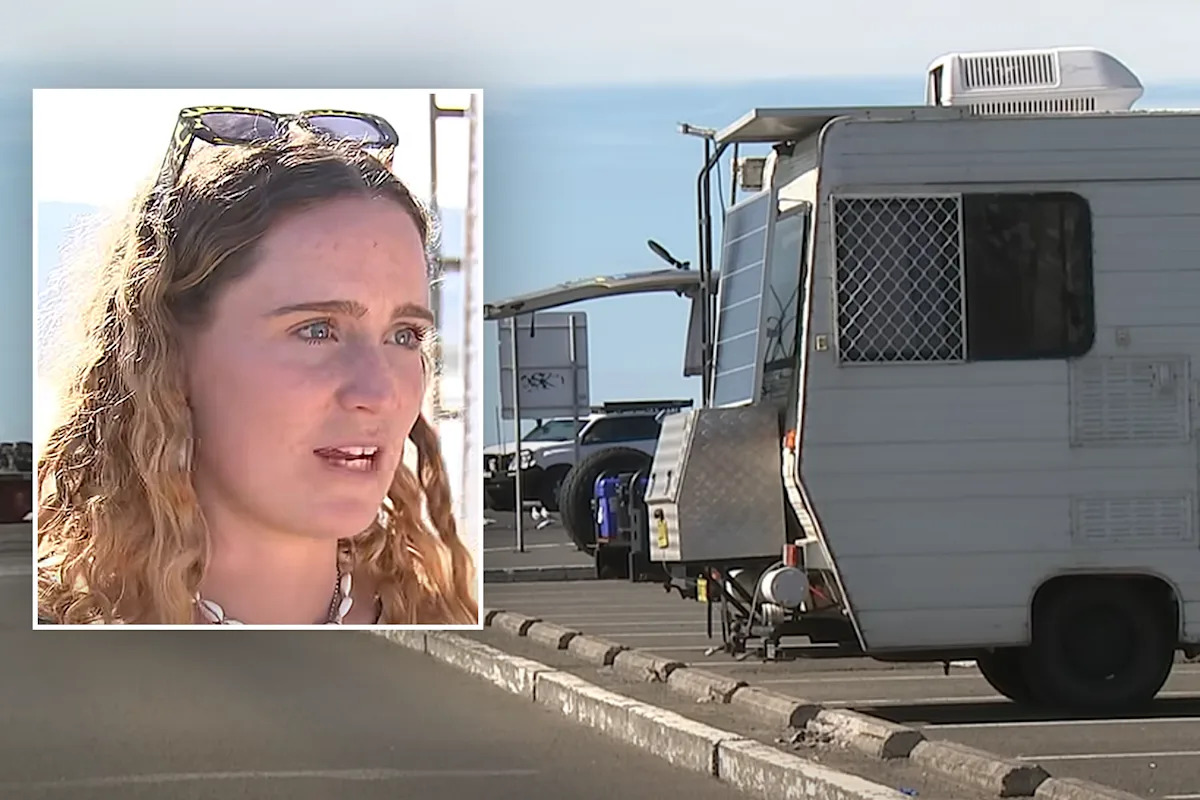
Volunteers across Australia’s east coast are sounding the alarm about a severe housing crisis that is driving vulnerable individuals into living in their cars. Reports indicate that families, including mothers with children, are now sleeping in car parks in areas like Illawarra, while others have resorted to living in caravans or vans as a last resort rather than a lifestyle choice.
Frontline support services are experiencing unprecedented demand, with many older Australians being turned away as available housing and emergency resources dwindle. While this crisis is particularly acute on the New South Wales (NSW) South Coast, it is a nationwide issue, as voices from across the country highlight a concerning trend that is spiralling out of control.
Voices from Illawarra: On-the-Ground Experiences
Local residents, like former tenant Bec, share their harrowing experiences, explaining how constant rent hikes have pushed them into full-time van living in Wollongong. “If I were renting, my whole life would have to change… it’s a lifestyle caused by economic instability,” she remarked.
Rob, who has lived in his vehicle for nine years, emphasises that not everyone who lives in their cars chooses that path. “I moved into this because it was easier to maintain," he noted, highlighting that many families use car parks as temporary refuge due to a lack of alternatives.
Local organisations report that homelessness is on the rise, with services assisting up to 40 individuals each month who are sleeping rough. Mandy Booker from Wollongong Homeless Hub noted, “Our outreach teams are seeing an increase in people sleeping in their cars, particularly around lakes and beach car parks.” She highlights a troubling cycle wherein individuals placed in short-term accommodations often return to the streets soon after.
One particular case involved a 71-year-old man who, after being denied further temporary accommodation, found himself back living in his car due to a lack of options.
Urgent Calls for Action and Compassion
Advocates argue for an urgent need for stronger long-term housing investments and a shift in public attitudes towards those impacted by the crisis. “We need compassion,” emphasised Mandy, underscoring the importance of understanding the complexities faced by affected individuals.
Challenging Misconceptions About Vehicle Living
As vehicle living becomes increasingly common, misconceptions abound. Many people perceive the presence of vans or caravans in public areas as a sign of rule-breaking, not recognising the dire situations that often lead to such living arrangements. Bec articulated this sentiment, pointing out that public stigmas overlook the realities and intelligence of those living in their vehicles.
As the trend grows, there are increasing calls for cities to establish designated areas for vehicle living as a feasible housing solution. Rob mentions the availability of spaces around local lakes that could accommodate those in need.
In conclusion, the crisis on Australia’s east coast represents a complex and multifaceted issue that demands urgent attention and a compassionate approach to support those struggling for stable housing. Efforts to reinstate dignity and provide sustainable solutions are vital in addressing this shifting landscape of poverty and homelessness.
Stay informed with updates via social media: Follow us on Facebook, Instagram, TikTok, X, and YouTube for more insights on the ongoing housing crisis.