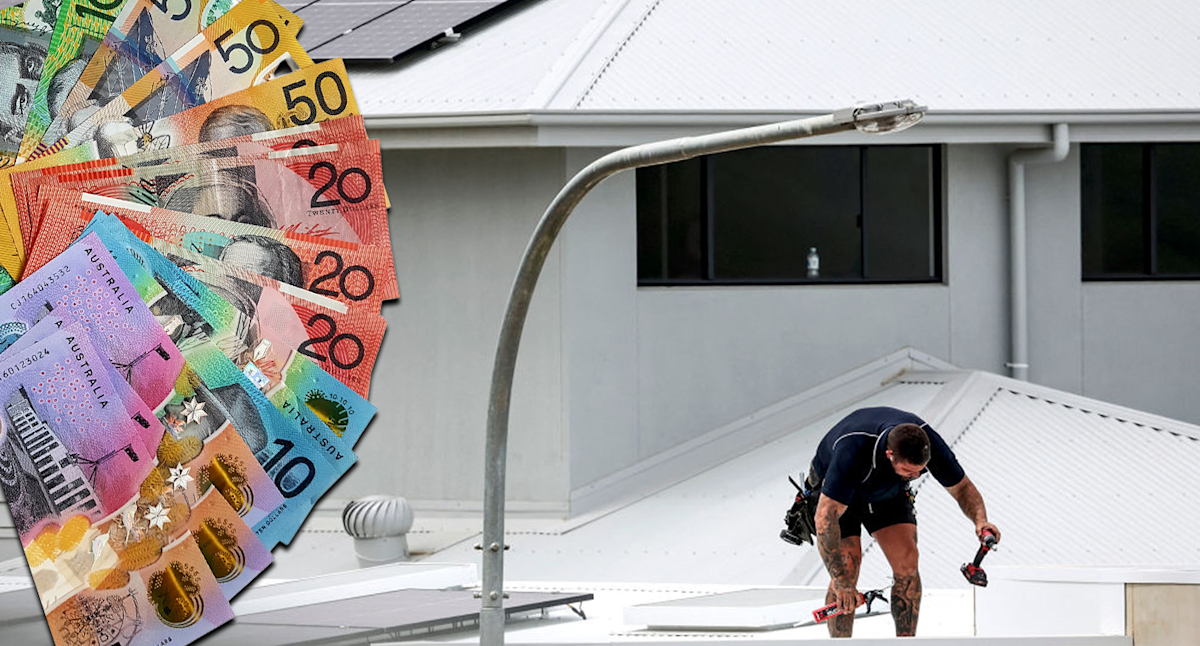
From May 1, 2026, changes to Australia’s rebate scheme for home battery installations will significantly impact homeowners considering solar solutions. Due to an unprecedented surge in uptake, the federal government will adjust the program to ensure that rebates can benefit more households, without encouraging oversized battery systems simply to maximise rebates.
The government’s new tiered model for rebates will maintain full incentives for smaller systems while reducing support for mid-range and larger installations. This shift reflects an effort to align battery sizes better with actual energy needs rather than merely chasing rebates. The modifications come as a response to increasing installation costs that exceeded initial projections.
According to battery installer Daniel Tonkin, these adjustments could potentially reduce rebate amounts by thousands of dollars. Under the revised scheme, rebate reductions will occur biannually rather than annually, accelerating the decrease in financial support for consumers. The original intention of the rebate program was to decrease the price of home batteries by approximately 30%, with the typical homeowner saving around $4,000.
Experts advocate for the new changes, emphasising that proper system design is far more beneficial than simply opting for a larger capacity battery. Tonkin noted that a well-designed system, reflective of a household’s unique energy consumption patterns, provides greater long-term savings.
For further details on scheduled rebate reductions and their effects on various battery sizes, homeowners can visit the Australian government’s official Cheaper Home Batteries Program.
Despite rising energy prices and ongoing international instability, demand for the battery program is expected to remain robust. Tonkin reported continued interest in battery installations even after announcing price increases.
Moreover, the Australian Energy Market Operator’s recent findings indicate that the local energy grid is faring well amidst global crises, thanks largely to the expansion of residential batteries and their ability to harness abundant solar energy during peak periods. In fact, the increasing presence of grid-scale batteries has led to a reduction in wholesale electricity prices across most regions.
However, a proposal from the Australian Energy Market Commission may introduce higher fixed charges for accessing electricity networks, sparking concerns over potential costs to homeowners with installed batteries. Critics worry this could raise expenses unexpectedly, undermining the incentives for battery adoption.
Professor Mehdi Seyedmahmoudian from Swinburne University of Technology suggests that while reform might be essential for managing the evolving energy landscape, careful consideration of its design is crucial to maintain consumer confidence. There’s a risk that perceived penalties for early adopters could slow the transition to renewable energy at a time when it is particularly vital for the grid.
The current landscape of energy pricing requires strategies that reward consumers for contributing to grid stability, particularly during peak demand times. Ensuring these pricing reforms do not inadvertently discourage participation is key for the continued success of Australia’s clean energy transition.
In summary, while changes to the rebate structure aim to ensure equity and sustainability in the uptake of home batteries, the future outlook for Australian energy relies heavily on balancing incentives with the consumer’s willingness to invest in renewable solutions.