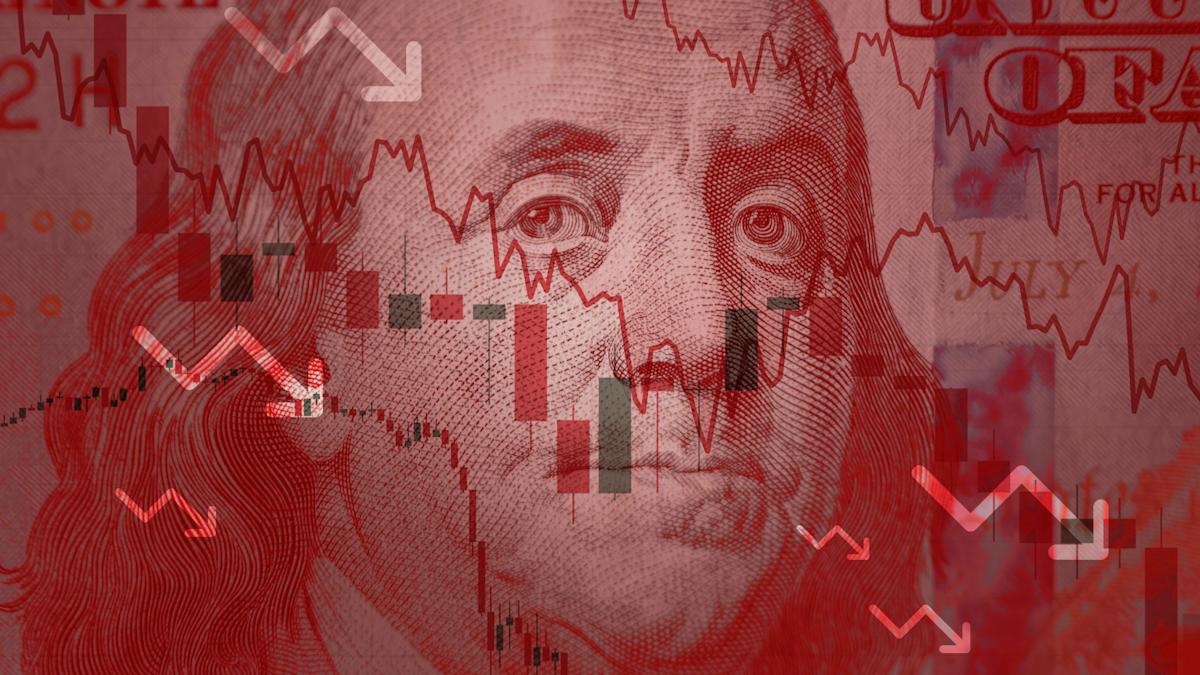
Inflation Expectations Rise Among CEOs Amidst Economic Challenges
According to a recent quarterly report from the Cleveland Fed’s Centre for Inflation Research, chief executives are anticipating a 3.7% rise in inflation over the next year. This revelation emerged just ahead of the Bureau of Labor Statistics’ Consumer Price Index (CPI) release for April, which is projected to indicate an inflation increase to 3.7%, largely driven by escalating energy prices due to ongoing conflicts in the Middle East—up from 3.3% in March.
When excluding volatile energy and food costs, core inflation is expected to rise slightly to 2.7% from 2.6% the previous month. Nonetheless, this trend contradicts the Federal Reserve’s target of achieving a 2% inflation rate.
The latest survey indicates a noteworthy uptick in CEOs’ inflation expectations, rising from 3.1% in January to 3.7% in April. Business leaders from both the manufacturing and services sectors expect the prices they charge to increase by 3.3%, a slight decline from 3.9% in October. Additionally, anticipated unit cost increases have edged up to 3.5%, compared to 3.3% earlier.
Nevertheless, the moderation in envisaged price hikes could signal a positive trend. Despite this, the predicted price increases remain significantly above the Federal Reserve’s benchmark, complicating the narrative that inflation is receding.
Fed officials hold varying views on future inflation trends, with New York Fed President John Williams suggesting that inflation may drop to approximately 3% this year and ideally align with the 2% target next year. Yet, many signs indicate that persistent inflation remains stubbornly above the Fed’s ideal range, with Deutsche Bank observing that key inflation measures remain 75 to 100 basis points above the target.
Deutsche Bank’s Chief US Economist, Matt Luzzetti, expressed cautious optimism about the possibility of inflation decreasing next year, although he noted concerns regarding the strength of demand within the economy. Factors such as artificial intelligence (AI) advancements may be contributing to rising goods prices and could sustain inflation longer than anticipated.
Recent data show a rapid annualised increase of 50% in the price index for computer software and accessories, reflecting the significant investment in AI-related technologies, including software, hardware, and data centres.
If the demand for AI-associated goods continues to fuel price rises, it is less likely that core goods inflation will decrease. Luzzetti highlighted that while there may eventually be a drag on inflation from AI developments, the immediate outlook suggests it could further contribute to inflationary pressures in the forthcoming year.
In summary, while there are signals that could indicate a potential easing of inflation, CEOs’ heightened expectations for prices and the robust economic demand—especially in sectors influenced by technological advancements—pose ongoing challenges. With key indicators suggesting a persistent inflation trend, the path to achieving the Federal Reserve’s inflation target remains fraught with complexities.