Table of Contents
Shifts in Global Power Dynamics Amid U.S.-Iran Tensions
The recent military initiatives by the United States and Israel against Iran have significantly impacted diplomatic relations, complicating the ties between Washington and its allies. Experts suggest this could alter the balance of power, particularly in light of China’s rising economic influence.
Shifting Perceptions of U.S. Commitment
President Trump has openly criticised European nations, describing them as a "paper tiger" and implying that the U.S. might reduce its involvement in international defence partnerships. His rhetoric, coupled with controversial proposals like the annexation of Greenland, has shaken trust among U.S. allies, raising concerns about America’s reliability during crises. Henrietta Levin from the Center for Strategic and International Studies remarked that this uncertainty could encourage countries to question the U.S.’s long-term dedication to international alliances, particularly in Europe, which is vital for security in Asia.
China’s Strategic Movements
As the U.S. appears to withdraw some focus from global obligations, opportunities may arise for China, notably in the Indo-Pacific region, including the contentious waters of the South China Sea and Taiwan. Patricia Kim from the Brookings Institution indicated that while China may not directly utilise the Iranian conflict to attack Taiwan, the U.S.’s preoccupation with the Middle East could allow China some leeway in expanding its influence.
Analysts suggest that the current geopolitical landscape presents an opportunity for China to increase its assertiveness, particularly following a series of incidents involving Chinese vessels at contested maritime locations like the Scarborough Shoal. These developments could escalate tensions and risk armed conflict.
Economic Vulnerabilities and Oil Supply
Despite China successfully reducing its exposure to global oil price fluctuations through policy initiatives focused on renewable energy, the country remains dependent on the Persian Gulf for a substantial part of its oil supplies. Any disruptions in this region could still significantly impact China’s energy landscape, especially given that approximately one-third to half of its oil imports originate from there.
Recent developments, including a blockade by the U.S. Navy of the Strait of Hormuz, have already hindered Chinese-linked vessels, further complicating China’s access to critical oil supplies.
Upcoming U.S.-China Talks
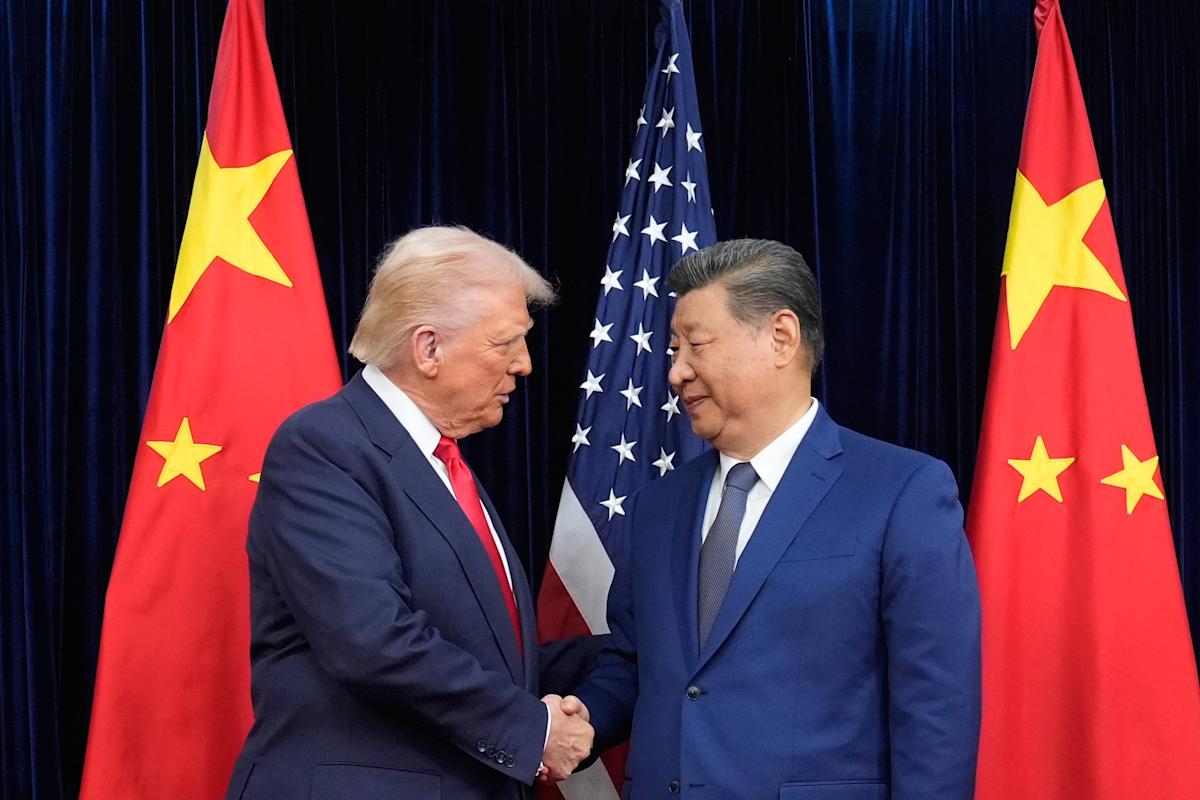
These tensions set a complex backdrop for the impending summit between Trump and Xi Jinping, taking place in mid-May. Experts suggest that while both leaders appear committed to maintaining stable diplomatic relations, the fallout from recent events could complicate discussions on various trade agreements, including those related to advanced semiconductor technologies.
Xi may seek more explicit statements from the U.S. opposing Taiwan’s independence, though Trump has been evasive on the implications his administration would consider if China intensified its claims over Taiwan. Discussions are also expected to revolve around U.S. arms sales to Taiwan, which could violate long-standing American policies.
Conclusion
The interplay between U.S. military actions in the Middle East, changes in European alliances, and China’s strategic calculations demonstrates a continually evolving geopolitical landscape. The outcomes of upcoming diplomatic engagements will be crucial in shaping the future of international relations and addressing complex issues surrounding energy security, trade, and military commitments. The world watches closely as both powers navigate this intricate dynamic.