Oil Prices Surge Amid Tensions Over Iran’s Enriched Uranium Stores
Oil prices experienced a significant rise on Thursday, fuelled by statements from Iran’s Supreme Leader, Mojtaba Khamenei, regarding the country’s enriched uranium reserves. Khamenei declared that these reserves should not be transported abroad, complicating ongoing negotiations between the United States and Iran concerning their nuclear program.
Brent crude oil futures, used as the international benchmark, rose by as much as 3.5%, hitting over $108.50 per barrel before settling somewhat lower. In parallel, West Texas Intermediate (WTI) crude futures, the U.S. benchmark, saw gains nearing 4% as they surpassed $102 before retreating slightly.
This upward trend came on the heels of a notable drop in oil prices on Wednesday, where they fell sharply following remarks from former President Donald Trump, who suggested that the U.S. was nearing a deal with Iran. Further, reports earlier indicated several oil tankers passing through the strategically crucial Strait of Hormuz.
The shift in sentiment on Thursday was triggered by a Reuters report detailing Khamenei’s assertion that Iran’s stocks of uranium, which have been enriched to levels close to weapons-grade, should remain within the country. This development poses a significant hurdle in the negotiations, especially since the U.S. has indicated that the removal of Iran’s enriched uranium supply is a non-negotiable condition for any agreement.
Trump has consistently expressed the view that Iran should not be permitted to develop nuclear weapons, insisting that any arrangement necessitates dismantling its enrichment programme. He has reportedly assured Israeli officials that any prospective deal must entail the removal of these uranium stocks.
Tehran’s recent comments cast doubt on Trump’s earlier optimism regarding the potential for an agreement with Iran. The Iranian regime is reportedly crafting a response to the U.S.’s latest proposal, which has been described as having "narrowed the gaps" between the two sides, according to Iran’s ISNA news agency.
Mediators in the negotiations have noted a lack of substantial progress, as Iran persists in demanding reparations for past conflicts, sanctions relief, and control over the Strait of Hormuz, while firmly resisting U.S. demands aimed at dismantling its nuclear capabilities.
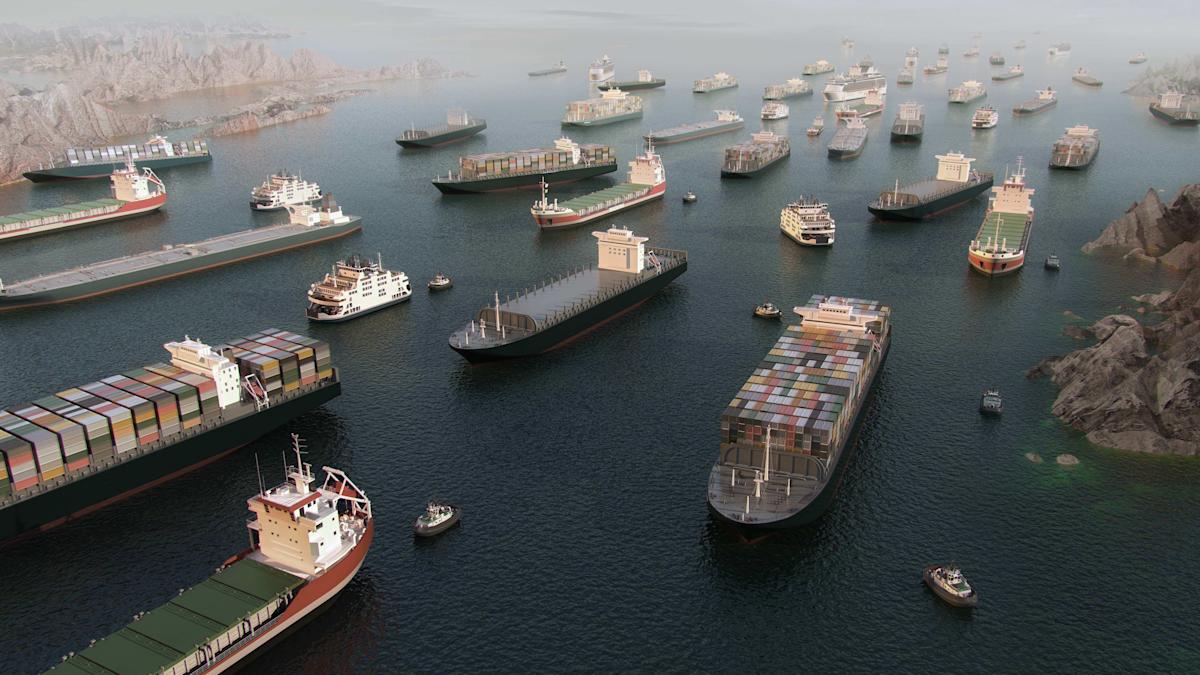
The geopolitical climate remains tense, as Yawger, the director of energy futures at Mizuho, highlighted that the closure of the Strait of Hormuz has led to a backlog of 14 million barrels of oil that could not reach the market.
On another note, Trump conveyed on Wednesday that he is prepared to authorise military action against Iran if the U.S. does not receive satisfactory responses from the Iranian leadership, signalling an increasingly fraught situation. He remarked that the situation is precarious and could deteriorate rapidly if tensions escalate.
In response, Iranian officials warned that any military action from the U.S. would provoke severe retaliation beyond the immediate region, suggesting a broader conflict throughout the Middle East.
Wednesday’s decline in oil prices coincided with reports of successful oil transit through the Strait of Hormuz by a South Korean supertanker and two Chinese supertankers. However, these vessels reportedly followed routes specifically designated by Iran, suggesting the Iranian government may be exerting tighter control over maritime shipping in the area.
As reports accumulate indicating Iran’s increasing dominance over safe shipping routes and its efforts to negotiate directly with various governments to ensure safe passage, discussions are underway with Oman regarding a potential management system for the Strait’s navigation that may involve a permanent toll structure.
Mohammad Amin-Nejad, the Iranian ambassador to France, stated that both Iran and Oman will consolidate their resources to ensure security and manage navigation in a manner that benefits those who wish to use the waterway.
In conclusion, while oil prices are responding to geopolitical developments, the ongoing situation between the U.S. and Iran remains complex, with potential ramifications for global oil markets and regional stability.
For further insights into the latest trends in the stock market and economic developments, stay tuned.