Shipping Firms Move to Claim Tariff Refunds Amid Political Pressure
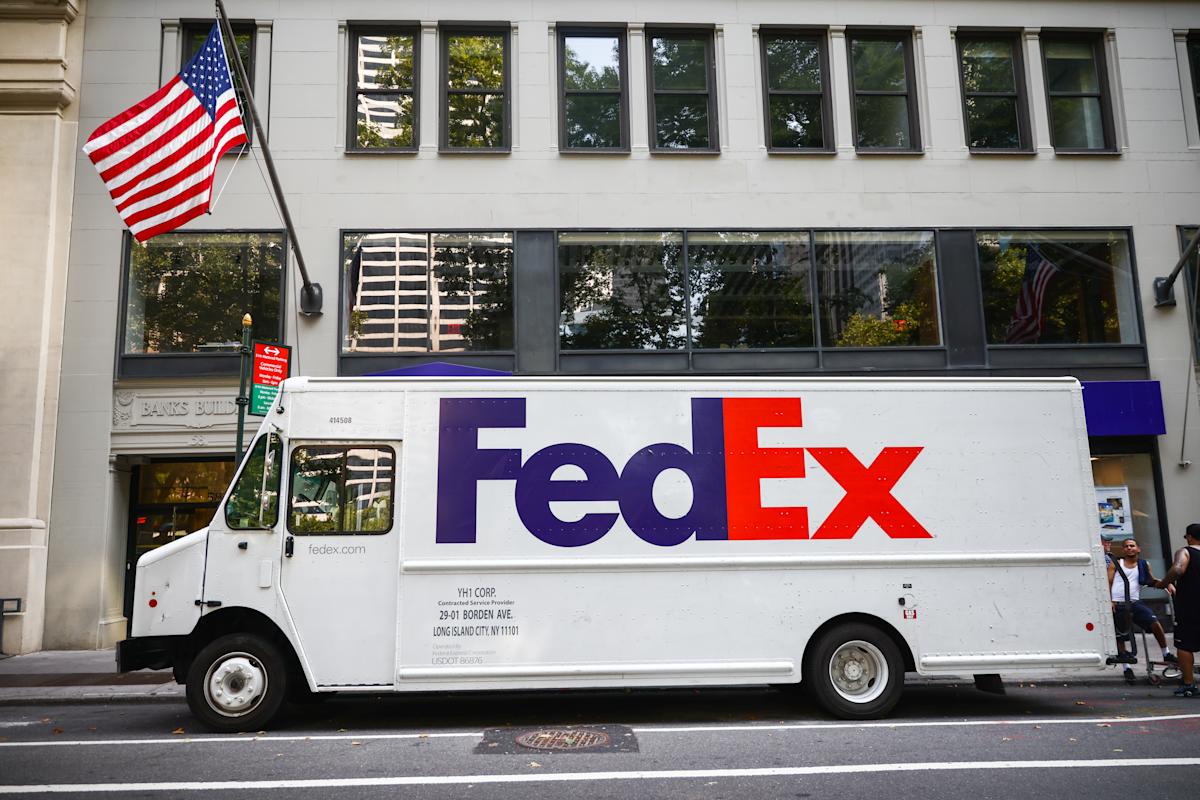
Shipping giants like DHL, FedEx, and UPS are moving swiftly to claim refunds for tariffs they paid over the past year, following a Supreme Court ruling in February that deemed these tariffs illegal. Despite political pressures from President Trump urging companies to renounce these refunds, these firms are pursuing claims actively.
FedEx confirmed its plans, stating, "We are beginning to file claims," while both DHL and UPS emphasised their commitment to refunding customers the amounts received from these claims. DHL expressed its dedication to helping customers recover the IEEPA tariffs they paid, and UPS reiterated that it is filing requests "on our customers’ behalf." For shipping companies, the case for refunds appears strong, as tariffs are clearly outlined as a line item on shipping invoices.
Recently, US Customs and Border Protection (CBP) opened an online portal for businesses to apply for refunds, despite Trump’s dissuasion. During a CNBC interview, he stated he would "remember" companies that opt not to file for refunds, hinting at potential political repercussions. Trump remarked that he would regard these companies as “brilliant,” signalling his intent to keep track of those who comply or resist his administration’s direction.
In total, approximately $166 billion in tariff collections are eligible for refunds, and only importers of record can submit requests for these returns. Subsequently, there is increasing pressure for all companies to ensure that any refunds they receive be passed along to customers who were affected by the increased prices due to the tariffs.
Currently, at least 17 lawsuits have emerged against shipping companies such as FedEx, Costco, and UPS, urging them to pass on the refunds. A recent hearing before the House Ways and Means Committee saw US Trade Representative Jamieson Greer being pressed by Democrats to guarantee that customers would benefit from these refunds. Greer indicated that while the process is underway, he refuted claims that customers are presently paying higher prices due to tariffs.
Discussion surrounding the tariffs has included concerns raised by Trump alleging that reimbursed funds would end up benefiting foreign adversaries. Greer acknowledged that some funds might indeed go back to foreign companies, particularly those reliant on Chinese supply chains, but distanced himself from Trump’s characterisation that the “enemy” could potentially profit from these refunds.
For shipping firms like FedEx, information platforms are being established to assist customers in navigating the refund process. Nonetheless, caution is warranted as customers should expect not to see any refunds until government payments are processed. UPS clarified that refunds will be issued once they receive the funds from CBP.
However, businesses and consumers alike are advised that refunds may not materialise until summer at the very soonest. Government estimates suggest that the review of claims may take about 45 days, with the actual issuance of checks occurring 60 to 90 days post-approval.
Notably, not all tariffs will be refunded, as highlighted by the Supreme Court’s decision. It specifically ruled against duties applied under the 1977 International Emergency Economic Powers Act, yet it did not adjudicate on other sector-specific tariffs.
Trump has continued to voice his opinions on the refund process, labelling the Supreme Court ruling as an “unnecessary and expensive slap in the face to the U.S.A.” He reiterated his administration’s stance on refunds being “unexplainable,” creating a challenging environment for companies advocating for these reimbursements.
In summary, despite the cloud of political pressure hovering over the process, leading shipping companies are advancing their claims for tariffs refunds while promising to return funds to customers—a developing situation that many will watch closely.
Author Note: Ben Werschkul serves as a Washington correspondent for Yahoo Finance, covering ongoing political developments and their impact on financial matters.