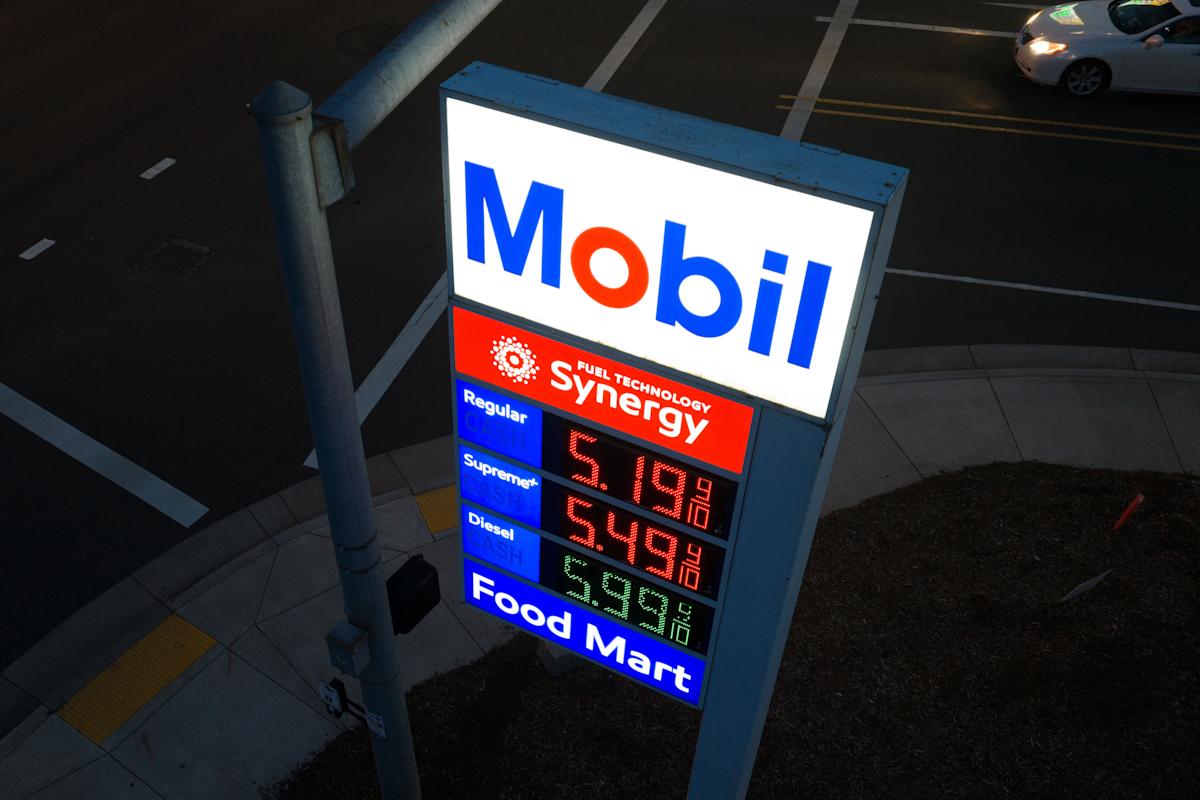
Gas prices remain a hot topic in U.S. politics, frequently featuring in interviews, official addresses, and congressional hearings. The question consumers are asking is straightforward: when will gas prices decrease?
In the initial stages of the crisis, President Trump and his administration provided imprecise timelines concerning future gas prices. Trump optimistically stated that prices might fall in “a little while,” while his Interior Secretary suggested “weeks, not months” for relief. However, as the conflict in Iran continues beyond the two-month mark, even the White House appears to be retreating from these optimistic forecasts as fuel prices rise.
Recently, Trump expressed hope for lower gas prices by the midterm elections but tempered his statement indicating that prices could either remain the same or even increase further. Meanwhile, Energy Secretary Chris Wright cautioned that guaranteeing future prices is difficult, echoing the uncertainty in the current energy situation.
The ongoing geopolitical tensions have resulted in a significant disruption of oil shipments, especially through the crucial Strait of Hormuz, contributing to a spike in gas prices across the U.S. As of last Friday, the national average for gas hit $4.39 a gallon, representing an increase of over 30 cents from the previous week. Experts, like GasBuddy’s head of petroleum analysis, Patrick De Haan, warn that prices could reach $4.50 soon, prompting caution among the Trump administration.
Despite rising prices, Trump has sometimes deviated from the cautious narrative, claiming, “When the war ends, gasoline prices are going to tumble,” insisting they might drop below pre-war levels. However, his team has since adjusted their rhetoric concerning the expected outcomes once hostilities cease.
Earlier communications were filled with assurances that prices would plummet post-conflict, potentially dipping below the pre-war average of $2.98 per gallon. On March 3, Trump asserted that prices would fall sharply as soon as hostilities ended. In contrast, Wright has since warned that such low prices may not be seen until next year, a remark that prompted criticism from Trump, who labelled Wright as “totally wrong.”
The change in tone reflects the complexities of predicting gas prices amidst geopolitical instability and fluctuating market conditions. As the situation keeps evolving, consumers and policymakers alike grapple with uncertainty regarding when, and if, gas prices will revert to more affordable levels.