Table of Contents
Business Opportunities Amidst the 2026 FIFA World Cup
As excitement builds towards the 2026 FIFA World Cup, a number of major corporations are preparing to capitalise on the anticipated consumer spending associated with this global event.
Insights from Recent Analysis
Citi analyst Jon Tower conducted a survey involving 1,800 individuals across seven nations—namely the US, Mexico, Canada, Brazil, France, Italy, and the UK—to gauge engagement levels and predict shifts in spending habits during the World Cup.
Key Findings
-
Viewership: An impressive 97% of global participants plan to watch the matches, either on television or via streaming. Approximately 20% intend to attend the games live, with this number rising to 25% when considering responses from host nations and 15% from non-host nations. Notably, the US leads in this aspect, with 35% of respondents expressing a desire to be present at the games, compared to 23% in Mexico.
-
Ticket Sales: The survey indicates that 72% of those planning to attend in person have already secured their tickets. Most attendees aim to watch two to three matches, with the average ticket price sitting at around AUD 592 (approximately AUD 653 for US attendees).
- Host Nation Popularity: Among in-person game attendees, the US emerges as the top destination, with 66% opting to watch matches there, followed by Mexico at 41% and Canada with 37%.
Consumer-Friendly Stocks to Watch
Tower has identified 19 US companies likely to benefit from the World Cup, primarily those in the consumer sector. This includes brands capitalising on increased sales of drinks, merchandise, and dining, such as:
- Beverage Companies: Constellation Brands, Coca-Cola, PepsiCo
- Retailers: Walmart, Dick’s Sporting Goods
- Food Giants: McDonald’s, Domino’s Pizza, Wingstop
- Hospitality: Marriott, Host Hotels
- Tech Firms: Google, Meta
- Logistics and Delivery: Uber, DoorDash
- Gambling Services: DraftKings
Event Overview
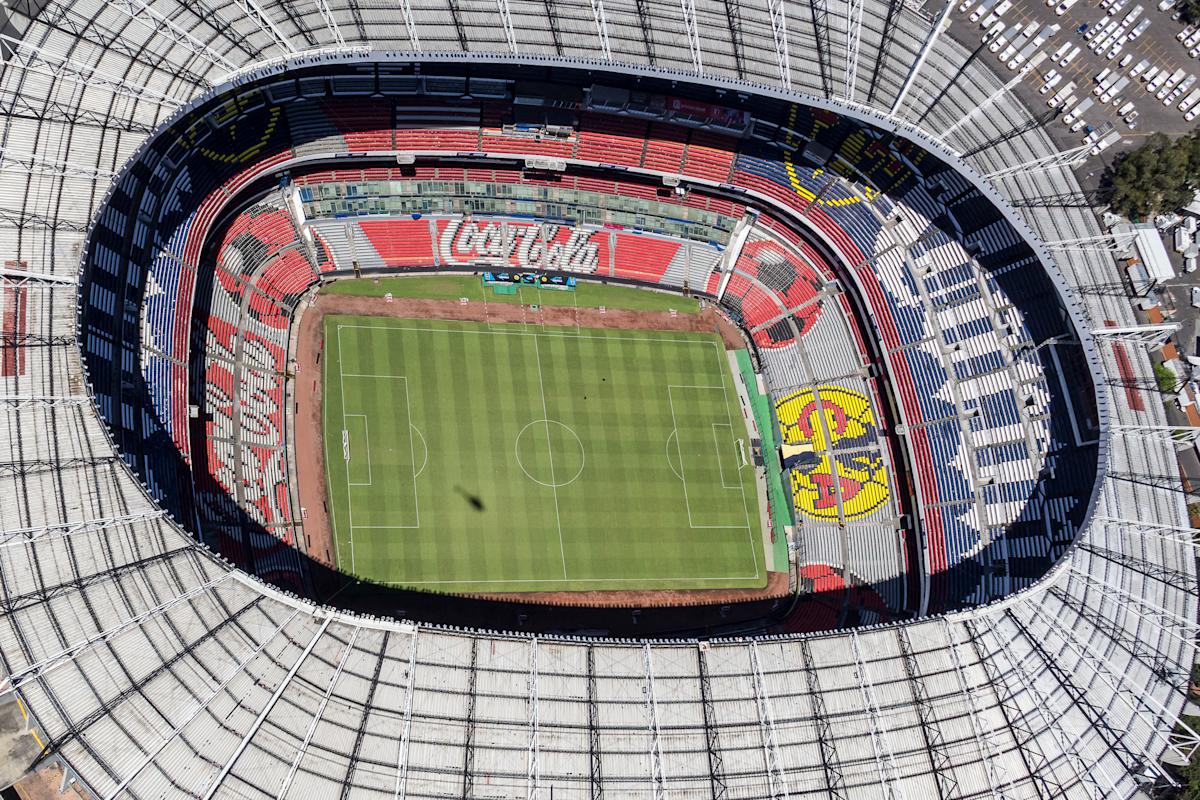
The 2026 FIFA World Cup represents an unprecedented scale in sports history, commencing on June 11, with Mexico City’s Estadio Azteca hosting the first match. It is the first World Cup involving three host nations—Mexico, Canada, and the US—and will feature 48 teams competing over 104 matches within a span of 39 days. The final match will take place at MetLife Stadium in New Jersey on July 19, expecting to host nearly 6 million fans.
Beer Sales Projections
Interestingly, certain sectors, particularly brewers, stand to gain significantly from the event. Jefferies analysts project an increase of 568 million litres in global beer consumption during the tournament. Historical data shows that past World Cups have resulted in volume surges of between 2.5% and 9.9% in host cities. For example, during the 2014 World Cup in Brazil, AB InBev reported an additional sale of 140 million litres.
AB InBev CEO Michel Doukeris detailed how important the World Cup is for beer brands, referencing the massive uptick in sales witnessed during the tournament. He noted that whilst countries like Brazil almost “stop” to watch, other nations maintain regular routines, though they still experience noticeable sales benefits.
Challenges Ahead
While the potential profit opportunities from the World Cup are significant, there are underlying economic issues to consider. Rising energy costs and inflation may affect consumer spending power, which could temper the positive sales forecasts for the event. Companies in the packaged food sector are already feeling the weight of inflationary pressures, casting a shadow over optimistic profit projections.
In conclusion, the 2026 FIFA World Cup is set to provide numerous opportunities for businesses, particularly in the consumer sector. However, the looming economic uncertainties will require careful navigation as firms seek to maximise their gains during this global sporting celebration.