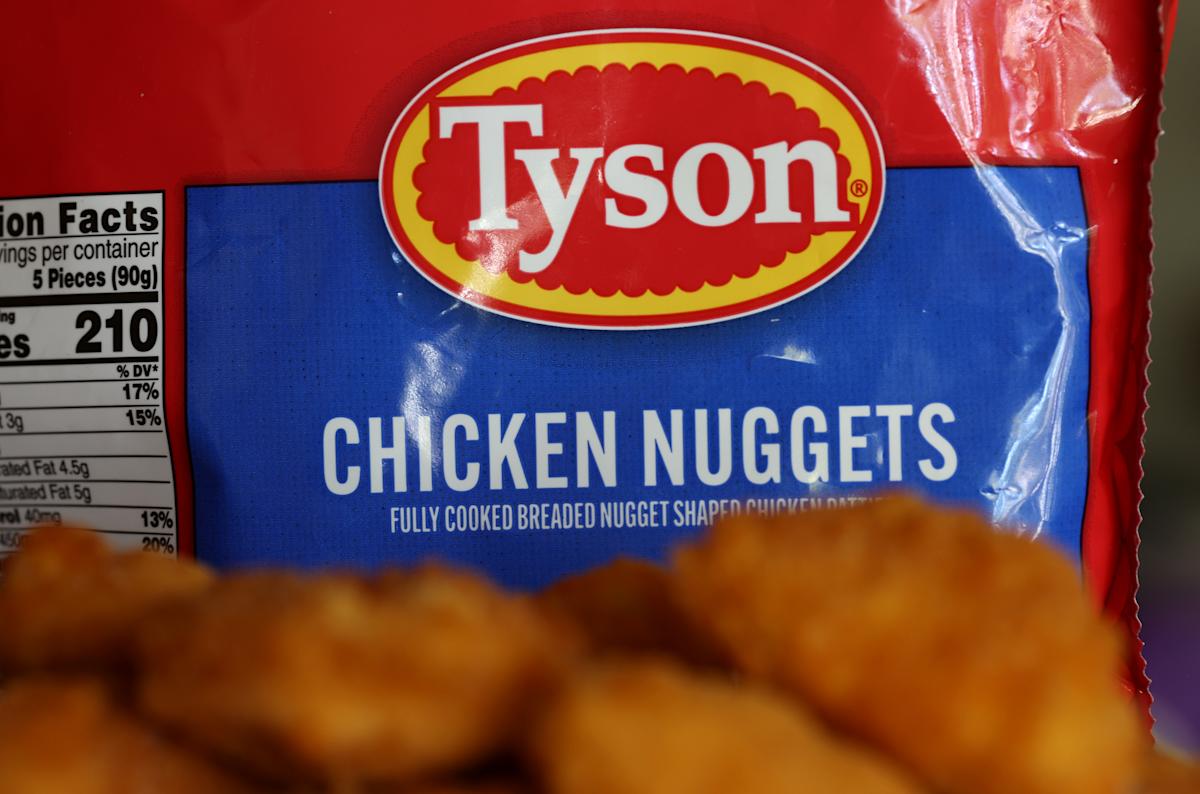
Tyson Foods Reports Strong Quarter Amid Cattle Challenges
Tyson Foods has reported impressive results for its fiscal second quarter, exceeding both adjusted earnings and revenue expectations due to the ongoing demand for protein products. The company posted adjusted earnings of $0.87 per share, surpassing Bloomberg’s consensus estimate of $0.79. Additionally, revenue reached $13.65 billion, outpacing Wall Street’s forecast of $13.58 billion.
CEO Donnie King attributed this success to a continuation of the company’s operational improvements, stating, "It’s just seeing the compounding effect of all the great work that’s been going on at Tyson for a number of quarters now," during a discussion with Yahoo Finance. King noted that strategic investments in operations, including enhancements to the supply chain and innovations in prepared foods, have significantly contributed to the company’s positive momentum. This approach has allowed Tyson to cater to a diverse array of price points, enhancing its value proposition in a challenging economic environment.
Following the announcement, Tyson’s stock saw a 3% increase in midday trading, reflecting investor optimism despite pressing challenges in the beef sector. The USDA reports that the US cattle herd has reached its lowest levels in 75 years, prompting Tyson to close a beef facility earlier this year.
During the quarter, Tyson faced a 13% decline in beef volume; however, higher prices—up 4.1% overall, with beef prices soaring 11.5%—helped to mitigate the impact of reduced sales volume. Chicken prices also increased by a modest 1.8%, while volumes fell short of expectations, achieving only a 1.7% growth versus the anticipated 2.7%.
JPMorgan analyst Thomas Palmer remarked that investors had anticipated positive chicken performance to counterbalance the dips in beef. The results were encouraging and accompanied by upward revisions for the total company operating profit, suggesting that while beef remains problematic, other segments are thriving.
Increasing consumer interest in pork and Tyson’s prepared foods portfolio—featuring well-known brands such as Jimmy Dean and Ball Park—has further supported the company’s results. King mentioned that Tyson is just beginning to engage younger consumers through digital marketing and the introduction of health-oriented products, which include high-protein breakfast bowls and sandwiches, crafted to appeal to this demographic.
Looking ahead, Tyson has optimistically adjusted its guidance for 2026, forecasting adjusted operating income between $2.2 billion and $2.4 billion—an increase of $100 million compared to previous estimates. However, the USDA expects a 2% decrease in beef production this year, which could result in losses between $350 million and $500 million, marking a shift from earlier forecasts.
In contrast, Tyson has revised its chicken profit outlook upwards to between $1.9 billion and $2.05 billion, a noticeable improvement from the prior range of $1.65 billion to $1.90 billion for the current fiscal year.
In summary, Tyson Foods’ latest quarterly report reflects a resilient company adept at navigating the complexities of the food industry, particularly in protein markets, despite encountering significant challenges in meat production. The adjustments to earnings outlook and strategic investments underscore a robust plan to not only weather current difficulties but also to expand its consumer base effectively.