Table of Contents
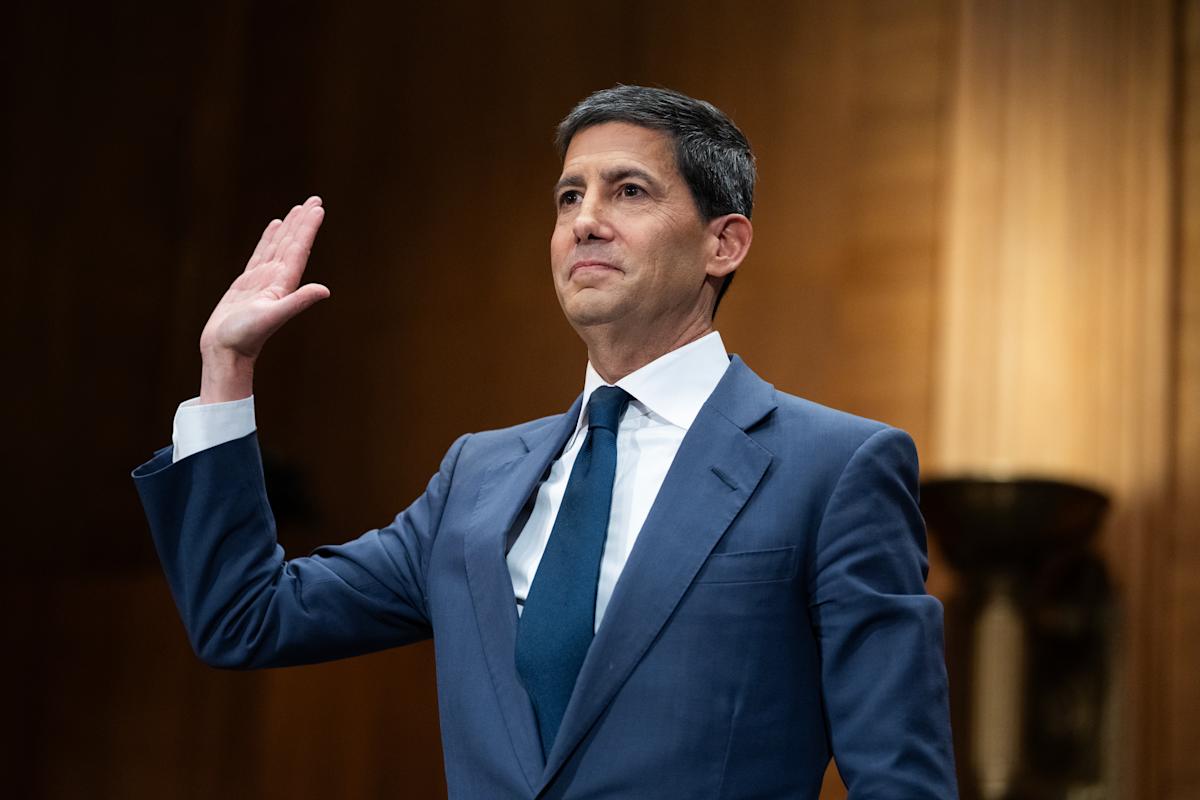
Kevin Warsh Assumes Chairmanship of the Federal Reserve: A Snapshot of an Uncertain Economic Landscape
Kevin Warsh has been appointed as the new chair of the Federal Reserve, stepping into a role during a particularly complex economic climate. His tenure begins amidst a landscape characterised by some of the most distinctive economic challenges seen in recent decades.
Current Economic Overview
Warsh finds himself addressing a paradoxical scenario. Unemployment rates are low, and despite a deceleration in job creation, employment figures continue to show positive growth. However, the economic narrative is significantly marred by substantial layoffs in the tech sector, with many companies attributing these cuts to advancements in artificial intelligence (AI). This trend has raised concerns that automation may lead to broader employment issues in the future.
Market Conditions
In contrast to the modest job market, financial markets are experiencing a surge, with stock prices reaching record highs. This increase is largely driven by sectors heavily involved in AI, leading to a stark disparity where well-known consumer brands lag behind the high-flying tech stocks.
The bond market is also experiencing notable shifts, particularly with 30-year Treasury bonds reaching their highest values since 2007. Initial hopes for interest rate cuts—expected to relieve pressures on housing, consumer spending, and corporate loans—have been undermined. Instead, increasing sentiment suggests the Fed may need to raise interest rates, a view that has gained traction since March.
Inflation and Consumer Sentiment
Compounding these challenges, oil prices have surged by approximately 50% in recent months, contributing to rising inflation. Consequently, consumer confidence has been adversely affected, with real wage growth turning negative—a combination that signals economic strain for many households.
The dual effect of surging stock prices and the frightening potential of AI-driven job losses creates a complicated environment. While some celebrate the strides in technology, others express fears about the implications for employment and living standards.
Political Context for Warsh
Warsh’s term begins in a politically charged context, with the Federal Reserve facing intense scrutiny. A pressing concern during his leadership will be to uphold the credibility of the central bank, a critical priority as outlined by his predecessor. Although Jay Powell will remain at the Fed, this unusual arrangement could complicate Warsh’s transition into his new role.
Powell has indicated a desire to maintain a “low profile,” yet working alongside a predecessor can often lead to challenges in consensus-building and decision-making.
Upcoming Decisions
The Fed is set to announce its next policy decisions on June 17. Notably, recent meetings saw the highest number of dissenting votes in over 30 years, highlighting a divided opinion among officials regarding interest rate policy. How Warsh navigates these discussions and cultivates agreement among board members will be critical to his initial success. His ability to unify perspectives in such a volatile landscape will be paramount, especially given the uncertainties that external economic factors may introduce.
Conclusion
As Warsh steps into his new leadership role, he faces formidable challenges. Balancing the contradictions of a lively stock market against rising inflation, deteriorating consumer confidence, and workforce concerns will require adept navigation. In the coming months, how he consolidates support within the Fed and responds to the economic landscape may set the tone for his tenure and, potentially, the nation’s economic direction.
For ongoing updates on economic indicators and news that could influence your investment strategies, stay tuned.