RBA Faces Tough Decisions Amid Rising Inflation and Consumer Spending Patterns
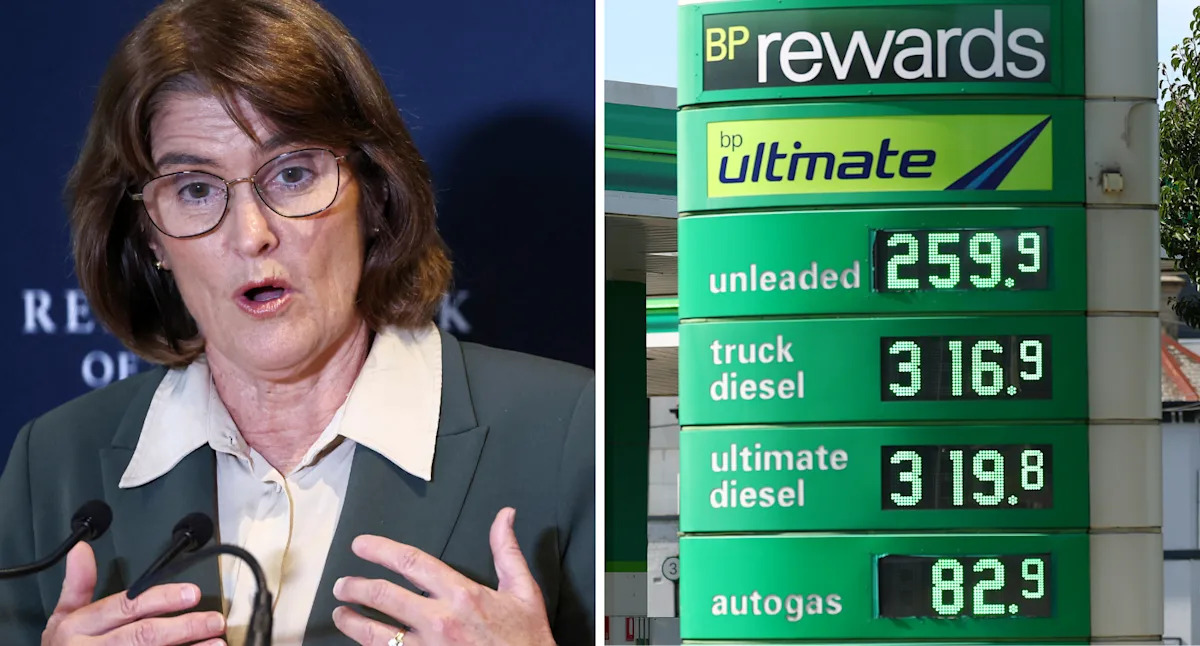
The Reserve Bank of Australia (RBA) is contemplating an interest rate hike in May, a move described by NAB chief economist Sally Auld as potentially the “policy of least regret” in light of increasing inflation and evolving consumer spending behaviour. Rising fuel costs, exacerbated by geopolitical tensions in the Middle East, have significantly impacted consumer expenditure, which rose by 2.1% in March, primarily driven by a notable 33.5% surge in fuel spending. Even excluding fuel, spending showed a promising month-on-month increase of 0.7%.
Auld noted that the RBA is closely monitoring consumption patterns after a robust spending trend in the latter half of 2022 began to soften slightly heading into 2023. She highlighted the precarious position of the central bank as they navigate the dual challenges of rising inflation and slowing economic growth, along with an increasing unemployment rate—a situation that moves them further from achieving full employment.
Key Findings from Recent NAB Data
- Fuel Spending: Increased by 33.5%, contributing to overall consumer spending growth.
- Food Spending: Grew by 1.7%, potentially reflecting precautionary stockpiling due to economic uncertainties.
- Construction Costs: Rise in expenses led to a 2% increase in spending on other services.
- Discretionary Goods: There was a resilient performance in spending on discretionary items, but a noticeable decline was observed in discretionary services, suggesting a shift in consumer priorities.
Confidence levels among consumers and businesses have taken a hit recently. NAB reported a worrying 29% drop in business confidence, marking one of the steepest declines since both the Global Financial Crisis (GFC) and the pandemic. Likewise, Westpac’s latest consumer sentiment index showed a sharp 12.5% decline—the steepest since COVID-19’s emergence.
Outlook and Possible Future Moves
Amid these tumultuous trends, Auld and fellow economists at the Big Four banks anticipate the RBA will likely increase interest rates in May, with potential further hikes in June and August. RBA deputy governor Andrew Hauser has previously raised concerns over inflation levels, stating that they were already excessively high even before geopolitical events impacted energy prices.
Auld emphasized the RBA’s consideration of "second-round price impacts" from rising costs as businesses face pressure from suppliers. Given that Australia’s inflation was recorded at 3.7% in February, down from 3.8% in January, Auld believes that the most prudent course of action for the central bank would be to implement another rate hike come May, allowing them to observe the subsequent effects on the economy.
Conclusion
Navigating the current economic landscape presents formidable challenges for the RBA, as they strive to balance inflation control with fostering economic growth. The coming months will be critical in determining the trajectory of interest rates, consumer behaviour, and overall economic health in Australia. The decisions made in the near future will be pivotal, not merely for the bank’s credibility but for the broader economic restoration as Australia continues to contend with ruptures in both supply and market confidence.