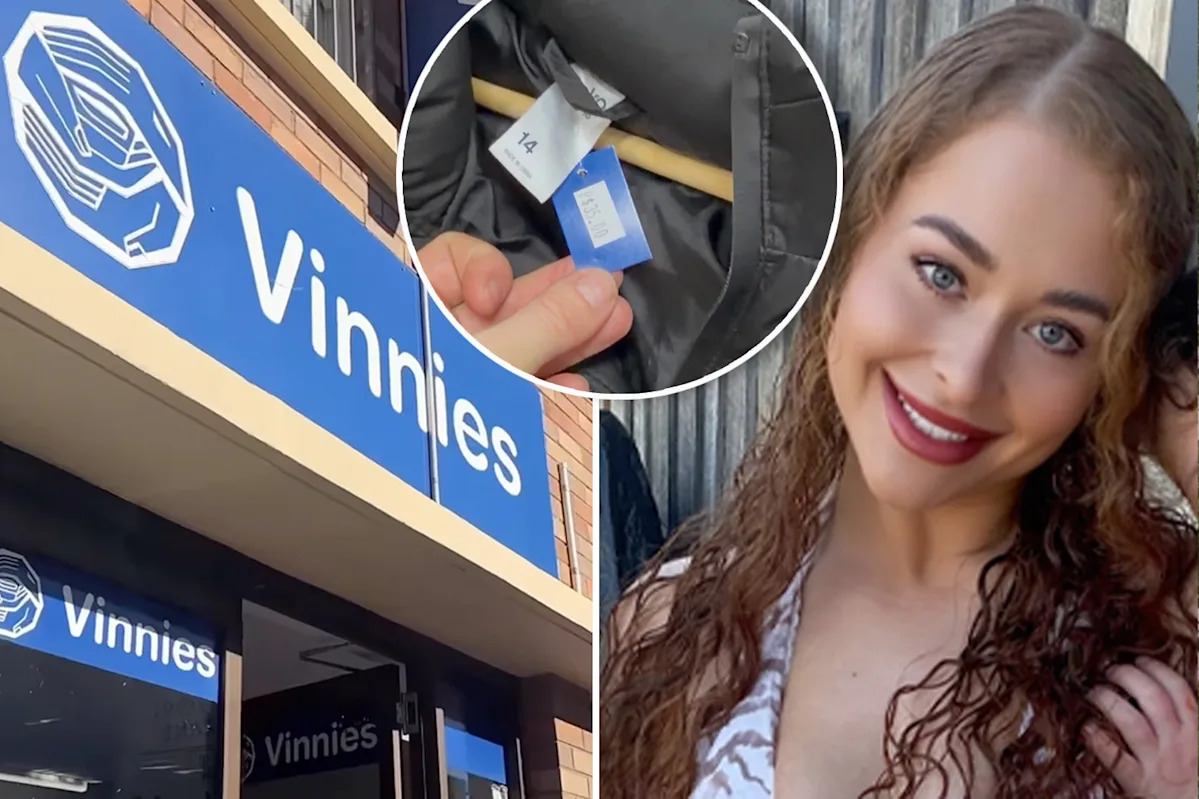
In the midst of Australia’s cost-of-living crisis, Cassandra Eagling, a single mother of four, is taking a stand against the pricing practices of the country’s charity shops. Eagling contends that these formerly affordable outlets, which were once accessible for families in need, are now pricing their goods out of reach for many Australians.
Eagling highlights a growing discontent among the public, as concerns about the soaring costs of living—fuel, housing, and food—intensify. Many Aussies have voiced dissatisfaction over what they perceive as unreasonable pricing at op shops like Vinnies and the Salvation Army, with Eagling asserting that the prices are not reflective of the hardships faced by families reliant on these facilities for essential items.
Having been fortunate enough to receive quality clothing from friends, Eagling admits she hadn’t needed to seek help from op shops until a recent visit illuminated the problem. Disturbed by seeing second-hand Kmart jackets priced at $35, she began to question the value of donating to an organisation where she felt squeezed out as a consumer.
Eagling’s journey began when she reached out to Vinnies and Salvos to discuss the pricing structure, expressing her concerns for the impoverished Australians who rely on charity shops. Her advocacy has struck a chord, as she discovered similar grievances from many others across Australia, New Zealand, and the UK.
While recognizing the necessity for charities to generate revenue for community programs, Eagling argues that if these organisations present themselves as purveyors of low-cost items, there should be consistency with actual in-store prices. This discrepancy prompted her to create a petition aimed at maintaining affordability in op shops, which has already garnered over 1,000 signatures.
Cassandra calls for:
– A transparent definition of “affordable”
– Consistent pricing for essential items
– Enhanced accountability to prioritise accessibility
Vinnies Tasmania responded to Eagling’s concerns, explaining that prices are set based on the item’s condition, original retail price (RRP), and collectability status. They acknowledged operational costs necessitating a minimum price point, without disclosing that rate. They also specified that for them, “affordable” pricing means substantial discounts from original retail prices.
In a response to Eagling, Vinnies NSW noted the changing demographics of their customers, suggesting an increasing focus on younger, environmentally conscious shoppers. They reaffirmed their primary goal as raising funds to support those in need through the St Vincent de Paul Society’s services.
While Salvos chose not to comment, the overall trend remains concerning for Eagling and those who support her cause. She urges that these shops, which should serve as safety nets for the financially vulnerable, re-evaluate their pricing strategies to ensure they remain accessible.
Eagling’s passionate activism not only seeks to preserve the original intent of op shops but also urges broader conversations about societal accountability and support during difficult economic times.