Table of Contents
Rising Inflation and Consumer Spending Impact Australia’s Economic Outlook
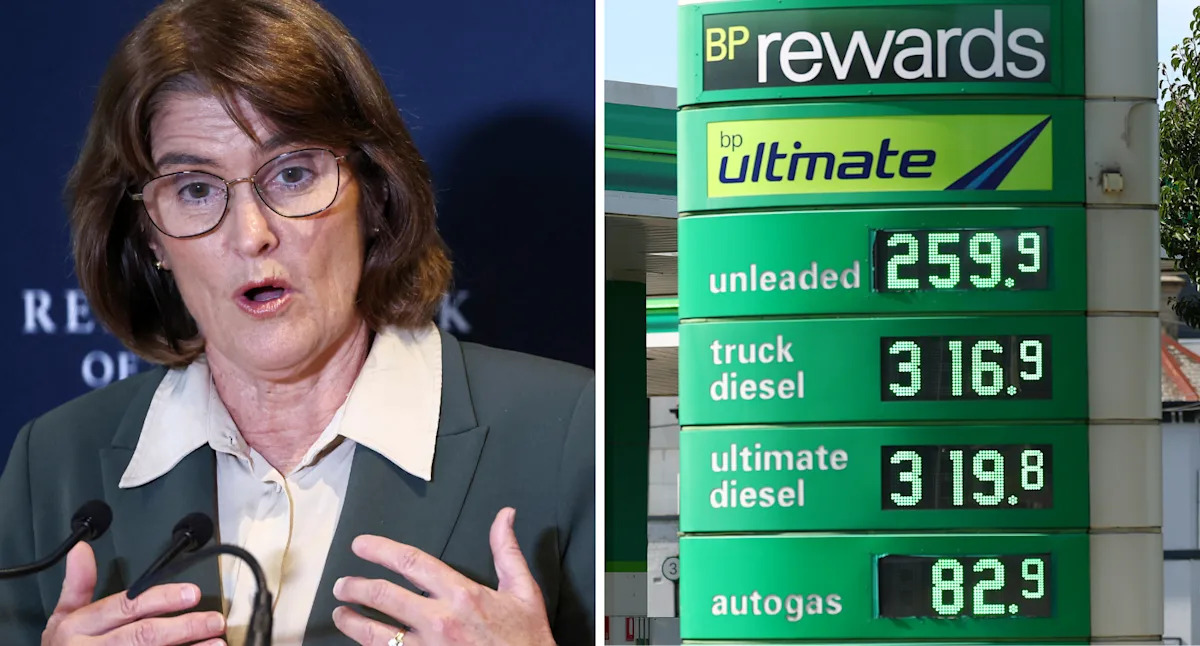
The Reserve Bank of Australia (RBA) is contemplating an interest rate hike in May, marking what many see as the "policy of least regret" amid rising inflation, significantly influenced by escalating fuel prices due to the ongoing Middle East conflict. Recent data from the National Australia Bank (NAB) shows a notable uptick in consumer spending, with a 2.1% rise in March, heavily propelled by a staggering 33.5% increase in fuel expenditure. Even when excluding fuel, there was a commendable 0.7% month-on-month increase in spending.
NAB’s Chief Economist, Sally Auld, indicated to Yahoo Finance that the RBA is closely monitoring consumption trends, which demonstrated robustness in the latter part of 2025 but had softened somewhat early in 2026. Auld stated that the current energy price spike complicates matters for the central bank, as it simultaneously propels inflation upwards while dampening growth and increasing the unemployment rate, thereby distancing the economy from full employment.
Spending Trends
Food expenditures rose by 1.7% in March, a figure attributed in part to precautionary stockpiling by consumers. Additionally, heightened construction costs led to a 2% increase in spending on other services. Despite overall resilience in discretionary goods spending, consumers are reportedly scaling back on discretionary services.
As for the broader economic context, both consumer sentiment and business confidence have taken significant hits. Westpac reported a staggering 12.5% drop in consumer sentiment, heralding the largest month-on-month decline since the COVID-19 pandemic began. Meanwhile, NAB noted a concerning 29% fall in business confidence, representing one of the most significant decreases recorded in its history.
Challenges Ahead
A key concern for the RBA revolves around potential price hikes beyond fuel. Auld highlighted worries regarding "second-round price effects" that may arise as businesses face increases from suppliers and subsequently pass these costs onto consumers. Australia’s inflation is already deemed "too high," compounded by a labour market nearing full capacity and the economy straining against supply constraints. The latest inflation figures show a 3.7% rise in headline inflation for February, slightly down from 3.8% in January, with trimmed mean inflation remaining steady at 3.3%.
Reflecting on the potential rate hike, Auld mentioned, “The policy of least regret is to implement another increase in May and observe subsequent effects. If this turns out to be a misstep, it can be easily reversed. However, choosing to pause and forgo hikes could lead to a more challenging scenario if inflation spirals out of control.”
The RBA’s future decisions may hinge on oil prices. If rates rise in May, it would mark three hikes simultaneously, with the long-term effects of such adjustments likely only becoming apparent in the latter half of the year. Auld speculated that if further hikes were necessitated, they would likely occur much later in 2026.
As the RBA navigates these complexities, the economic landscape remains fraught with uncertainty, heightening the stakes for consumers and businesses alike. The next few months will be pivotal in shaping Australia’s economic trajectory amid fluctuating consumer behaviours and inflationary pressures.