Table of Contents
Federal Reserve Adjusts Outlook Amidst Rising Oil Prices Due to Iran Conflict
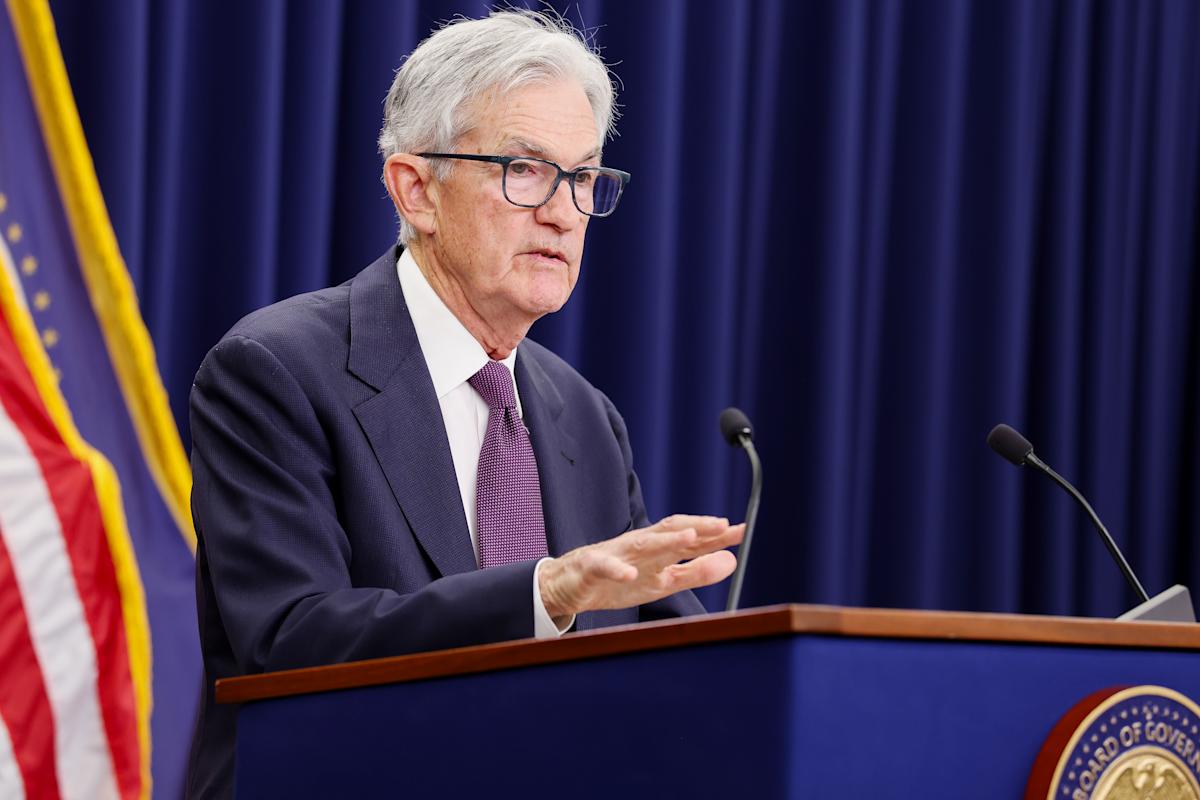
Federal Reserve Chairman Jerome Powell has expressed concern that the ongoing conflict in Iran may exacerbate inflation and hinder economic growth, particularly as it continues to disrupt global energy markets. During a press conference on Wednesday, following the Federal Reserve’s decision to maintain interest rates unchanged with an 8-4 vote, Powell highlighted the prolonged closure of the Strait of Hormuz—which serves as a vital conduit for international oil transportation—and its potential economic ramifications.
Current Economic Climate
Powell underscored that current market conditions factor in an expectation of a swift resolution to the conflict. However, he cautioned that if the situation persists and oil prices rise further, the economic impact would become more pronounced. Since the onset of the airstrikes led by the US and Israel in late February, oil prices have surged significantly. Brent crude oil futures, serving as the international benchmark, have escalated nearly 70%, reaching a high of $120.22 per barrel, while US WTI crude has increased approximately 60% to over $108 per barrel, as reported by Bloomberg.
Inflationary Pressures and Consumer Spending
The ongoing rise in oil prices is anticipated to elevate overall inflation figures, thereby necessitating sustained higher interest rates from the Federal Reserve. Powell acknowledged that increased energy costs are suppressing household spending and corporate profit margins, which could slow economic activity—a challenging scenario for monetary policymakers. He stated, "When gas prices go up, that’s disposable income coming out of people’s pockets, so they’re going to spend less on other things."
Recent data from the personal consumption expenditures (PCE) index—the Federal Reserve’s preferred inflation measure—showed that headline prices rose by 2.8% annually, with core prices rising by 3%. March results are expected to display a continued increase, with projections estimating a headline rise of 3.5% and core prices up by 3.2%.
Economic Forecast and Consumer Behaviour
Despite current economic indicators seeming stable, Powell remarked that a downturn in consumer spending may be on the horizon. He noted that while consumer spending remains robust, there are concerns about how long this can last amid rising living costs. Powell pointed out, “If consumers are spending 25% or more on their gas and other necessary expenses, heightened prices on necessities will have to impact discretionary spending.”
The Federal Reserve Chair reiterated the need for caution in their approach to monetary policy, stating that they must evaluate the long-term implications of the conflict and its effects on the global economy. Powell highlighted the historical context of oil shocks, indicating that they are often temporary, and suggested that monetary policy reactions should be measured rather than immediate.
Conclusion
In summary, the ongoing situation in Iran poses significant risks to both inflation and economic growth in the U.S. Rising oil prices threaten to reshape consumer spending patterns and may lead to sustained higher interest rates as the Fed navigates this complex landscape. Powell’s cautious yet proactive stance indicates that the Federal Reserve will remain vigilant in monitoring developments while waiting to see how this conflict evolves and impacts the broader economy.
This article was prepared by a senior finance reporter covering economic trends and implications for market dynamics.