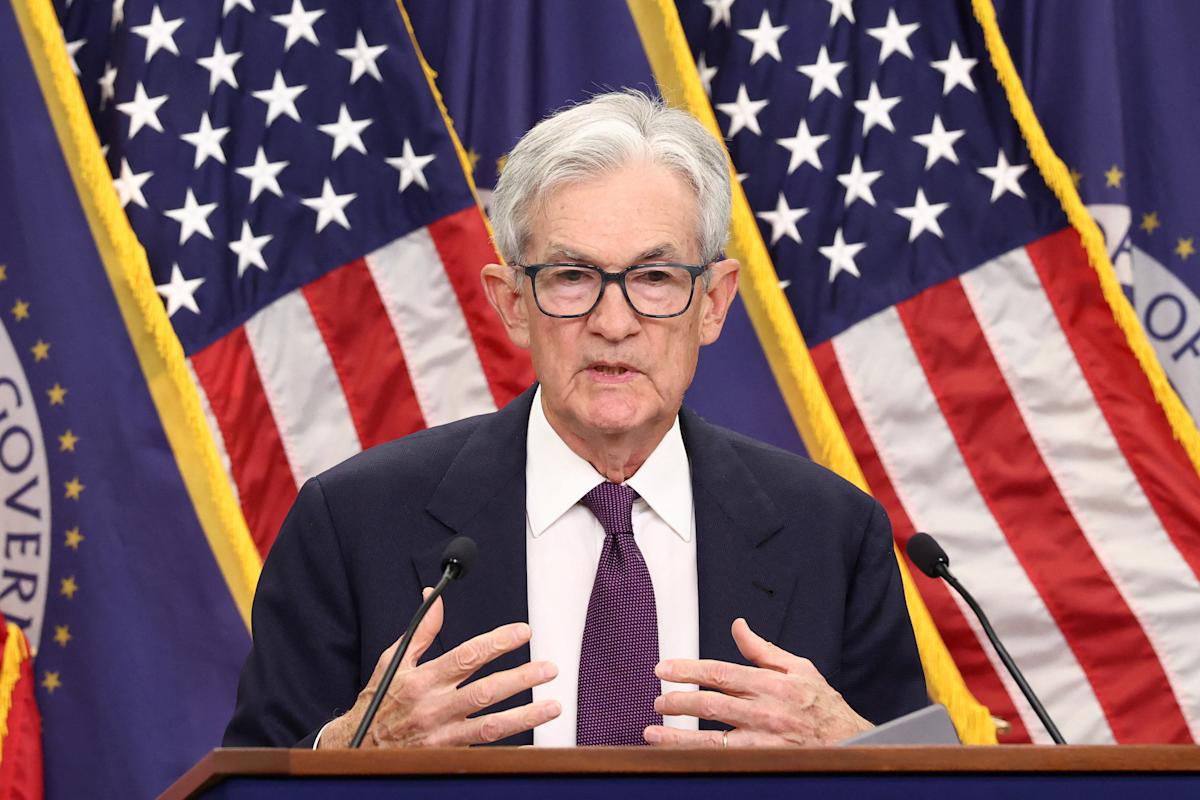
Federal Reserve Chair Jerome Powell to Stay on as Governor Amid Legal Turmoil
Federal Reserve Chair Jerome Powell announced on Wednesday that he will continue serving as a governor of the Federal Reserve after his term as chair concludes next month. Powell cited the unprecedented legal challenges facing the central bank as a key reason for his decision to remain, stating that these attacks are compromising the institution’s integrity and its ability to manage monetary policy free from political pressure. He plans to stay “for a period of time to be determined,” without specifying an exit timeframe.
Facing mounting political pressure, Powell has previously refrained from making a definitive commitment about staying, but has indicated that he will remain until the ongoing investigations into his conduct are resolved. “I have no intention of leaving the Board until the investigation is well and truly over, with transparency and finality,” he reiterated on Wednesday.
His decision to stay is notably a departure from the norm; his predecessors, including Janet Yellen, Ben Bernanke, and Paul Volcker, all vacated their positions as governors when their chair terms concluded. The continuation of Powell’s influence, potentially allowing him to participate in shaping US monetary policy until 2028, has sparked renewed tensions with President Trump, who has been critical of Powell for his handling of interest rates.
Upon learning of Powell’s plan to remain, Trump took to social media, downgrading the Fed chair’s prospects in the job market and signalling his discontent with the Fed’s direction. Treasury Secretary Scott Bessent echoed this sentiment on Fox Business, branding Powell’s decision as a breach of Federal Reserve norms.
The Federal Reserve Board consists of seven members, each confirmed for staggered 14-year terms, while the chair serves four-year terms. Powell has led the central bank for eight years, first nominated by Trump in 2018 and reappointed by President Biden.
Meanwhile, Kevin Warsh, a potential successor to Powell, has been confirmed by the Senate banking committee, although he is expected to fill a seat occupied by a Trump ally, not replace Powell. Powell has assured that he would maintain a low profile in his role as governor, respecting the hierarchy within the Federal Reserve Board.
Powell’s tenure has been marked by ongoing scrutiny, particularly regarding a criminal investigation into his testimony about renovations at the Federal Reserve’s headquarters. Recently, a US Attorney declared the closure of the investigation, albeit with a caveat that it could be reopened if necessary. This uncertainty surrounding the investigation has contributed to the heightened tensions between Powell and Trump.
Several politicians, including Senator Elizabeth Warren, have accused Trump of wielding prosecutorial threats against the Fed to achieve his political objectives. In contrast, Republican Senator Thom Tillis has suggested that the Department of Justice’s action signals an end to the investigation, allowing the Senate to proceed with Warsh’s nomination.
In conclusion, Powell’s decision to remain in office signals a complex interplay of legal, political, and personal dynamics affecting the Federal Reserve at a critical juncture for US monetary policy. As he navigates these challenges, Powell remains focused on ensuring the Fed operates without external pressures that could undermine its longstanding mission.