Table of Contents
Federal Reserve Maintains Interest Rates Amid Rising Oil Prices and Economic Uncertainty
The Federal Reserve has decided to keep interest rates unchanged for the third consecutive meeting amidst rising oil prices and increased economic uncertainty influenced by ongoing tensions in the Middle East, particularly the Iran conflict. The current benchmark interest rate remains in the range of 3.5% to 3.75%.
In a split vote, Fed Governor Stephen Miran advocated for a rate cut of a quarter percentage point. Conversely, Cleveland Fed President Beth Hammack, Minneapolis Fed President Neel Kashkari, and Dallas Fed President Lorie Logan supported maintaining rates. However, they expressed dissent regarding the "easing bias" perceived in the current policy statement. Notably, this marks the first dissent within the Federal Reserve since October 1992.
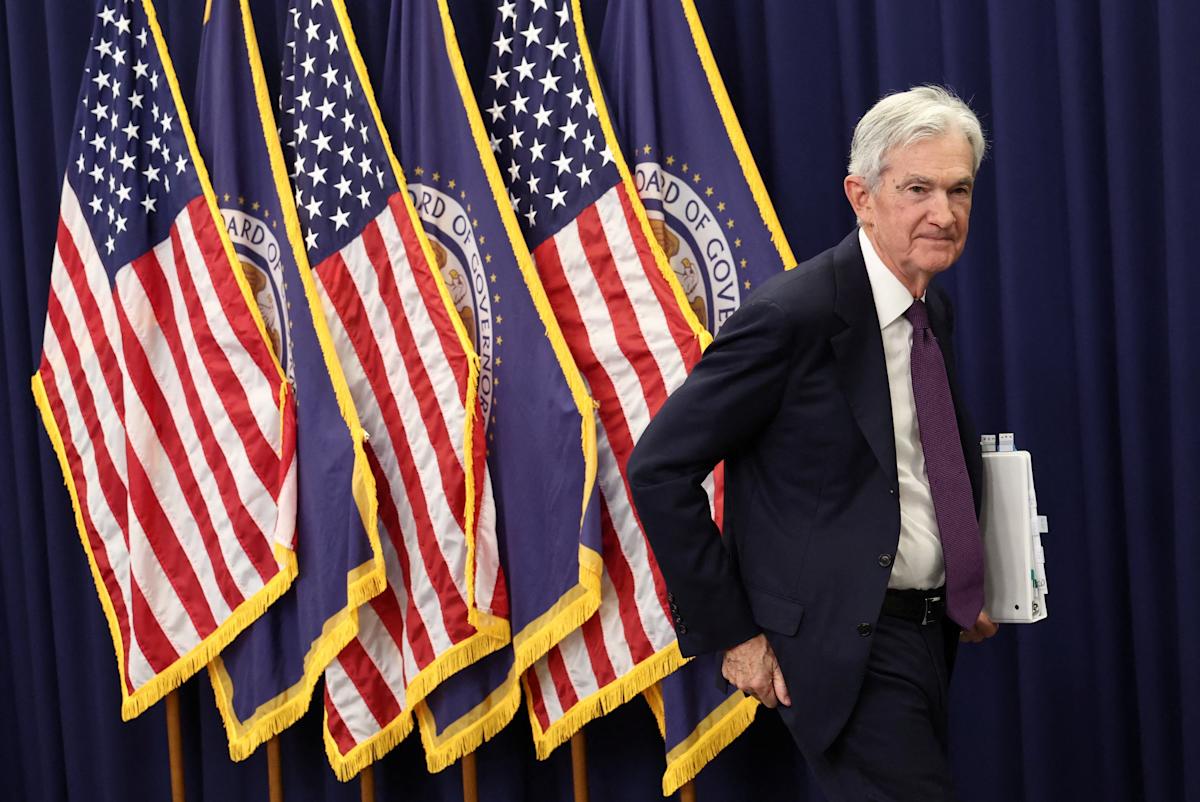
Fed Chair Jerome Powell announced his decision to remain as a governor, emphasising the need for the Fed’s autonomy in monetary policy amidst legal challenges. He stated, "There is only ever one chair of the Federal Reserve Board," referring to the expected confirmation of Kevin Warsh as his successor.
In a recent party-line vote, the Senate Banking Committee moved closer to confirming Warsh, who was nominated by President Trump.
The Shift in Policy Language
The current policy statement continues to imply a preference for potential interest rate reductions, stating that the Committee will "carefully assess incoming data" and the evolving economic outlook. Some Fed members advocate for a shift in this language to indicate an equal likelihood of rate increases, reflecting a more balanced approach.
Powell noted, “I think that the centre is moving toward a more neutral place,” a sentiment echoed by the broader market movements.
Despite elevated inflation, driven partly by rising global energy prices, Powell highlighted uncertainty stemming from the Middle East conflict affecting economic forecasts. He also indicated that the Fed had anticipated isolated price shocks from tariffs imposed during Trump’s administration, suggesting these would eventually stabilise.
Future Outlook
Looking ahead, Powell stressed the importance of monitoring energy prices, stating, “It’s time for that to happen. We expect progress in the next two quarters.” He acknowledged the potential risk of high gas prices impacting broader inflation but maintained that the Fed could afford to wait for more data before taking further action.
Powell is cautious about the role of ongoing inflation, particularly with energy prices, stating that tangible declines in energy costs must occur before any consideration of rate cuts. He expressed confidence that inflation could retreat if energy prices stabilise and indicated that currently manageable rates are in a "good place."
Powell’s Future Role
The recent policy meeting marked Powell’s last as Chair of the Federal Reserve. By choosing to stay on the Board of Governors, he deviates from the norm but aligns with his commitment to maintain a presence until investigations involving him conclude transparently.
With the U.S. Attorney’s office for the District of Columbia recently closing its investigation and delegating findings to the Fed’s Inspector General, Powell reaffirmed his commitment to engage constructively in upcoming meetings.
In conclusion, the Federal Reserve’s decision to hold interest rates steady reflects a cautious approach in an environment marked by geopolitical tensions and inflationary pressures. As energy prices fluctuate, the central bank’s ability to navigate these challenges will be crucial in shaping future economic policy.
For the latest in economic indicators and financial news, consider following reputable financial outlets.