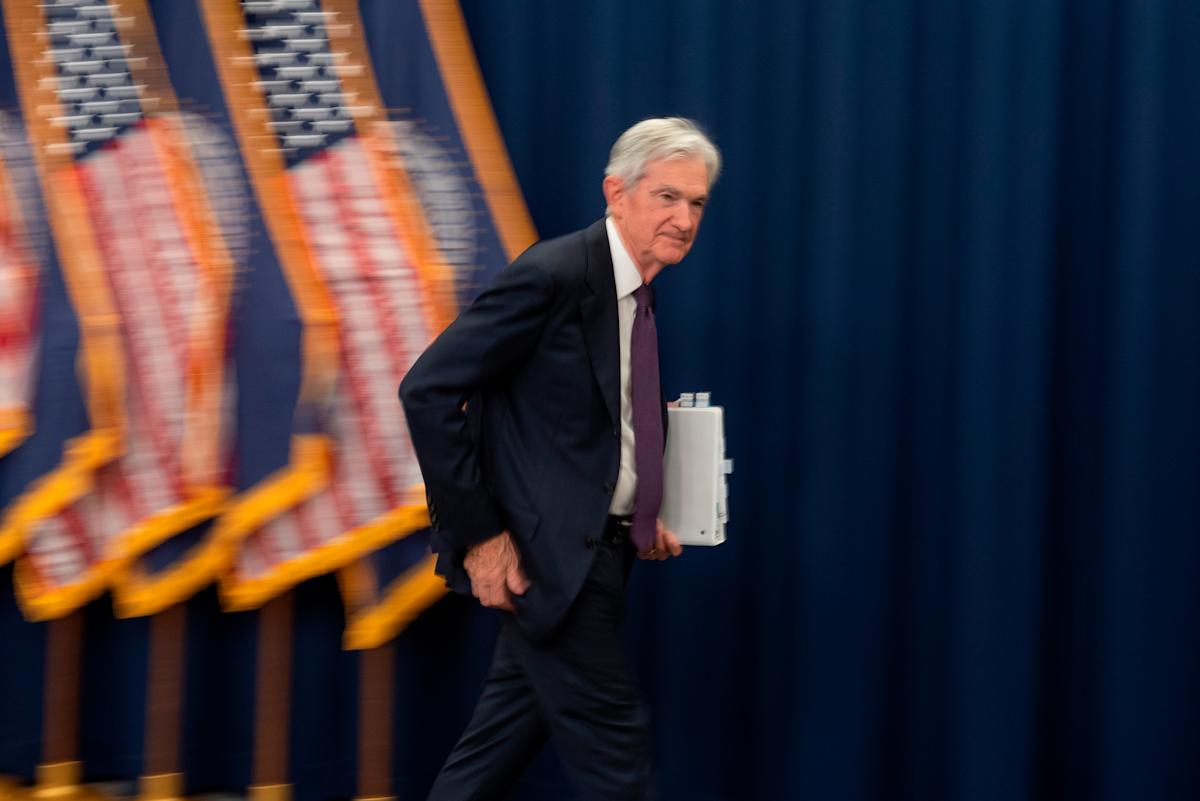
A Chronicle of Jerome Powell’s Fed Chairmanship: 2018-2026
Jerome Powell’s term as chair of the Federal Reserve began in February 2018 against a backdrop of a 4.1% unemployment rate and a thriving economy that had added 2 million jobs the previous year. At that time, the S&P 500 index was positioned at 2,650, while the 10-year Treasury yield was at 2.85%, and the Federal Reserve’s interest rate hovered between 1.25% and 1.5%.
Early Days and Challenging Decisions
During Powell’s early tenure, amid President Trump’s initial policies that boosted stock prices and reduced corporate taxes, expectations were high. However, by year-end, Powell had raised rates four times, leading to the highest levels in a decade. This aggressive policy contributed to a downturn in the stock market, marking its worst annual performance since the financial crisis. Trump, who had initially appointed Powell, publicly expressed dissatisfaction with his decision.
As 2019 unfolded, questions arose about necessary changes to the Fed’s inflation mandate and strategies for potential rate cuts. The onset of the COVID-19 pandemic in 2020 transformed the economic landscape, prompting a return to zero interest rates and extensive monetary stimulus policies. Over three rounds of stimulus checks distributed to Americans between March 2020 and January 2021, inflation surged, with Powell later acknowledging that price increases were not merely transitory.
Following the electoral defeat of Trump by Joe Biden, Powell’s reappointment in 2022 appeared certain. By then, inflation had become a significant concern, and Powell was labelled as “clueless” by Trump, igniting a series of further political tensions.
A Focus on Inflation
Powell’s decisions throughout his term would largely revolve around managing inflation. In 2022, stark rate increases were implemented to address rising inflation, which negatively impacted both stocks and the broader economic agenda of Biden’s administration. The Fed’s pursuit of inflation control escalated, particularly in the face of persistent supply chain issues and post-pandemic economic challenges.
In March 2020, as the pandemic threatened economic stability, Powell cut rates by 50 basis points and later, on March 15, implemented an emergency rate cut to zero, a move not seen since the aftermath of the 2008 financial crisis. This intervention aimed to bolster the economy but would also lead to significant inflationary pressure in following years.
In August 2020, at the Jackson Hole Economic Policy Symposium, Powell announced a shift in the Fed’s inflation framework towards average inflation targeting, a decision that later faced scrutiny as it coincided with soaring prices.
Navigating Political Pressure and Economic Challenges
Throughout his chairpersonship, Powell faced not only economic but also political pressures. Tensions arose post-Biden’s re-election, as Trump returned to the White House with Powell still at the helm. On several occasions, Trump publicly criticized Powell, leading to a complicated relationship that further complicated policy-making at the Fed.
Significant moments included Powell’s August 2022 Jackson Hole speech where he signalled the Fed’s commitment to combat inflation, warning that the ensuing economic adjustments might come with "pain" for American households. This speech resulted in a significant market downturn, demonstrating the potent impact of Powell’s communications on market sentiment.
Key Events and Their Consequences
- March 21, 2018: The Fed raised interest rates for the first time under Powell’s leadership.
- March 2020: Emergency measures introduced to combat COVID-19’s economic impact included sweeping rate cuts and stimulus measures.
- August 2020: Shift to average inflation targeting introduced a new framework for monetary policy.
- March 2022: The Fed began raising rates aggressively to combat inflation, marking a significant policy pivot.
- August 2022: Powell indicated inflation control would require sustained high interest rates, noting potential economic pain.
Leading into 2026, Powell announced intentions to remain on the Fed’s Board of Governors after his term as chair concluded amid ongoing scrutiny regarding the Fed’s operations and independence.
Conclusion: A Complex Legacy
As Powell steps into a new role as a member of the Board of Governors, his tenure remains under examination. His leadership was characterised by a blend of economic accomplishment and political turbulence. The dual focus on combating inflation while navigating the challenges of political machinations will likely define Powell’s legacy as one of the most consequential Fed chairs in recent history.
In an era marked by unprecedented economic challenges, Powell’s commitment to monetary policy independence stands as a testament to the ongoing struggle between economic strategy and political pressure in the modern financial landscape.