Oil Prices Decline Amid US-Iran Negotiations
On Wednesday, oil prices experienced their largest drop in over a month, as discussions regarding a potential agreement between the United States and Iran intensified. President Donald Trump announced that the US is nearing a deal with Iran, leading to a significant decrease in crude oil futures. Brent crude, the international benchmark, fell nearly 4.6%, settling just above $106 per barrel, while West Texas Intermediate (WTI) crude dropped by about 4.3%, trading below $100.
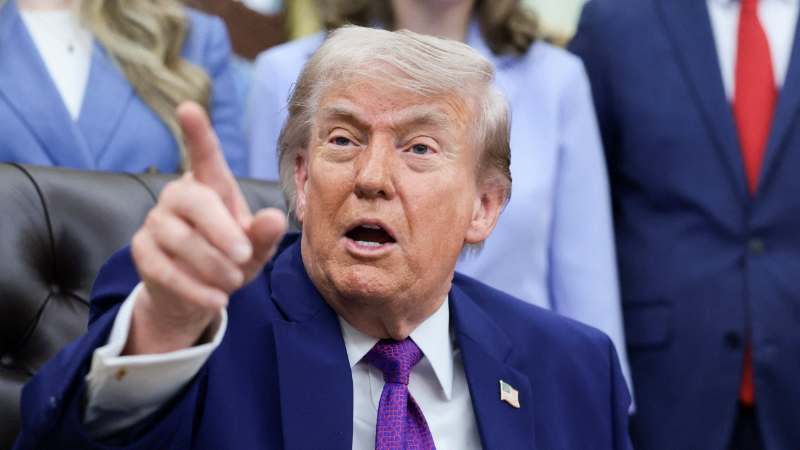
Trump’s remarks came after he decided to halt military action that had been scheduled for the previous day, suggesting that negotiations were progressing. He stated, “We’re in the final stages of Iran — we’ll see what happens. Either we reach a deal, or we will take some actions that could be unpleasant, but hopefully, that won’t be necessary.” The president emphasised the importance of avoiding casualties, remarking, “Our goal is to see fewer people harmed, rather than more.”
Furthermore, Vice President JD Vance highlighted the progress made in negotiations, expressing optimism that Iran is willing to come to the table: “We think the Iranians want to make a deal.”
In response, Iranian officials issued warnings about potential retaliation if the US were to resume military operations. According to the Islamic Revolutionary Guard Corps (IRGC), any renewed aggression could lead to "crushing blows in places you do not expect" across the Middle East. They cautioned that prior promises of a regional conflict would widen if the US escalated its military involvement.
This dialogue was prompted by Trump’s cancellation of planned military strikes against Iran, which he attributed to requests from leaders of Gulf states who assured him that negotiations were progressing positively.
Recent developments regarding maritime traffic in the Strait of Hormuz, a critical global oil transit point, are also influencing oil prices. Shipping reports indicated that traffic may be returning to the strait, with a South Korean supertanker loaded with Kuwaiti crude successfully crossing, alongside two Chinese supertankers. This movement signifies the potential for increased oil transport through this chokepoint, which had been disrupted in the wake of geopolitical tensions.
According to maritime intelligence experts, the successful crossings suggest a level of control by the Iranian regime over shipping lanes. Reports have emerged indicating that certain countries, notably China, might be negotiating directly with Iran to ensure the safety of their vessels, indicating an evolving operational landscape amidst the ongoing crisis.
Industry analyst Arsenio Longo pointed out that while tanker activity appears to be resuming, it reveals a new pattern shaped by Iranian oversight and political considerations regarding which vessels are permitted to traverse the area. "The current tanker movements do not resolve the Hormuz crisis; they simply indicate what future operations may look like," he stated.
As the situation develops, traders and analysts will be monitoring both the diplomatic negotiations between the US and Iran and the implications for oil supply and pricing, keenly aware of the significant impact these factors have on the global energy market.
Please subscribe for more detailed insights on market dynamics and economic developments.