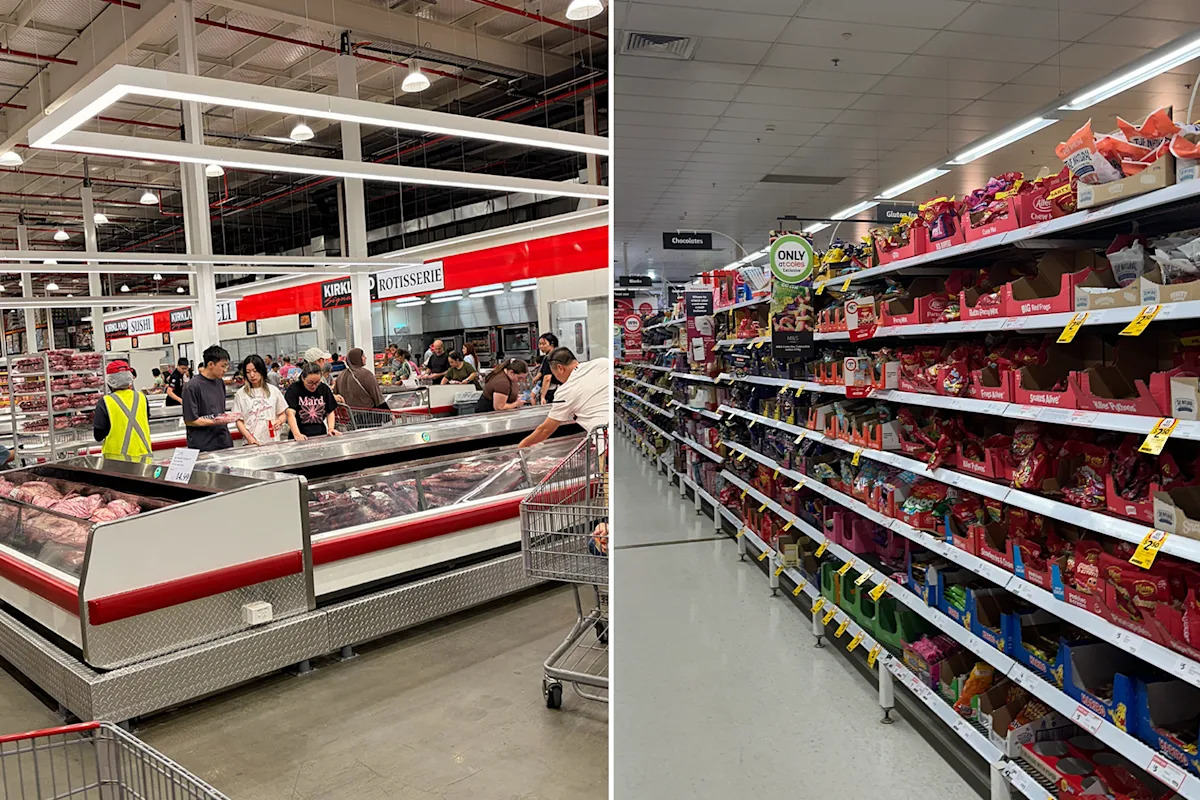
Rising grocery prices are once again a concern for Australians as escalating fuel costs ripple through the supply chain. Associate Professor David Ubilava, an agricultural economist from the University of Sydney, highlighted that fuel and energy expenses are crucial in transporting food from farms to supermarkets. When these costs increase, they have a widespread effect.
Agriculture Minister Julie Collins recently addressed farmer concerns about potential grocery price hikes, suggesting that while a 20% increase is plausible due to the ongoing fuel shocks exacerbated by the conflict in Iran, such a drastic rise remains uncertain due to the unpredictable nature of the situation.
Industry representatives, including NSW Farmers, warned that transport costs are becoming untenable, and some food prices could rise significantly by Anzac Day. However, Professor Ubilava suggested that fears of widespread shortages may be exaggerated, at least for now.
Fuel Impact on Supermarkets
Professor Ubilava elaborated on the complex dynamics of fuel pricing’s impact on supermarkets. "Fuel and energy prices play a substantial role in modern supply chains, particularly in longer chains," he noted. As costs rise, consumers will likely feel the pain at check-outs rather than encounter glaring gaps in supermarket stocking initially. However, as logistics begin to adapt to the increased costs, the strain could accelerate.
Logistics specialist Ben Fahimnia confirmed that Australia is already experiencing early signs of this stress. The risk lies not in immediate supply shortages, but rather in how quickly the situation could worsen. Challenges in logistics could disproportionately affect farmers, complicating the timely movement of goods and contributing to a higher risk of shortages in rural areas.
Potential for Shortages
Although concerns about stock availability remain, Ubilava asserts that true shortages would require much more extreme conditions. Presently, fuel prices, while high, are at manageable levels thanks to reduced excise tax. The longer fuel prices remain elevated, however, the more significant the impact could become, primarily reflected through higher food prices rather than empty shelves.
Ubilava explained that with rising food prices, profitability for producers and distributors improves, making it more lucrative for them to maintain supply. This dynamic suggests that while consumers can expect higher prices, significant supply shortages are less likely, especially in urban areas where supply chains function more efficiently.
Conclusion
In summary, while Australians face an uncertain future concerning grocery prices due to rising fuel costs, fears of widespread food shortages remain largely unfounded. As long as prices stabilise and logistics can adapt to rising costs, the trade-off may lean more toward elevated prices rather than empty supermarket shelves. Consumers may need to brace for higher bills at the check-out rather than a lack of available goods.