Table of Contents
Anticipated Tax Reforms in Australia’s Housing Market
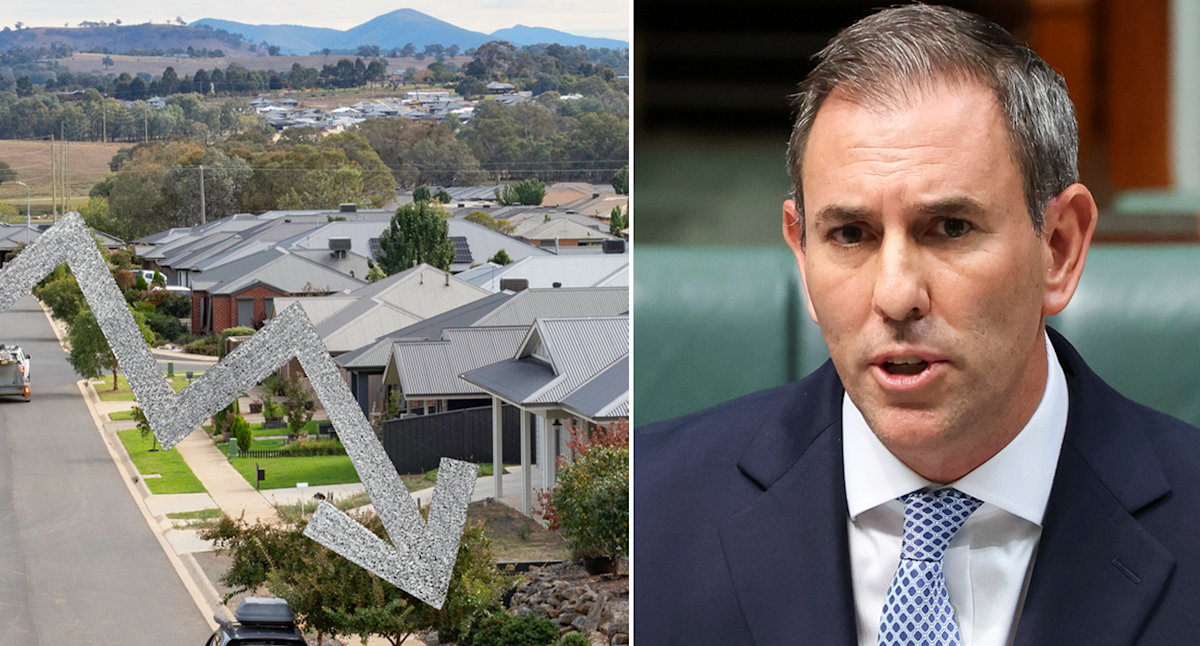
As Australia’s federal budget approaches, property investors and financial advisors are preparing for significant amendments to the tax structure, particularly concerning the Capital Gains Tax (CGT). Recent indications suggest that substantial modifications to the CGT discount, currently set at 50%, are imminent, with the government considering a reduction to approximately 33%.
Government’s Objective
The aim behind these proposed reforms is to tackle generational inequality in the housing market. Although Treasurer Jim Chalmers has not officially confirmed the plans, he has acknowledged the government’s ambition to unveil a transformative budget on May 12. Chalmers has emphasised that the upcoming budget will reflect changes prompted by global economic conditions, including potential impacts from conflicts such as the war in Ukraine and warnings from the International Monetary Fund (IMF) regarding a possible global recession.
Expected Changes
-
Reduction in CGT Discount: Sources suggest that the government is contemplating decreasing the CGT discount on property investments that are held for over a year. Such a change would mean that investors face higher taxes when selling properties, shrinking potential gains and posing a challenge to ongoing wealth-building strategies.
-
Negative Gearing Adjustments: Alongside CGT reforms, the rules surrounding negative gearing may also be revised, potentially limiting its application to fewer properties, which could further affect investment strategies in the real estate sector.
- Exemptions for New Housing: There are reports that new housing constructions may not be subject to the reduced CGT discount, aiming to stimulate housing supply. Any changes may primarily affect future property purchases while grandfathering current investments.
Financial advisors are echoing concerns regarding the impact these changes will have on property investment. Ben Nash, a finance advisor, noted that while a transition from 50% to 33% might appear marginal, the implications are substantial. For instance, a property sale yielding a $1 million capital gain would mean a tax increase of approximately $80,000 under the new arrangements—an amount that cannot be reinvested, leading to considerable long-term financial losses.
Market Implications
Many experts anticipate a fundamental shift in property investment dynamics. Nash describes this anticipated tax change as a "structural reset" in wealth accumulation strategies. He warns that this could disadvantage new investors compared to those who have already capitalised on the current system, remarking that this shift will undermine the potential for future investors to build wealth at the same pace as previous generations.
Tax accountant Belinda Raso has also cautioned that the budget could reflect a governmental strategy to balance its books with projected savings from the CGT changes, estimated to be around $12 billion. This raises questions on how these savings will be utilised, further complicating the financial landscape for Australians.
Conclusion
The upcoming federal budget has the potential to reshape the landscape of property investment in Australia, with significant changes to tax structures that have traditionally supported investors. As the release date approaches, the financial community is keenly observing and preparing for the potential consequences. With these changes, the focus on addressing generational inequality in housing comes with the risk of solidifying the advantages of existing investors while constraining new opportunities for wealth creation. Australians are urged to stay informed about these developments, as they will likely impact the property market and individual finances for years to come.