Table of Contents
Anticipated Changes to Capital Gains Tax Could Reshape Property Investment Landscape
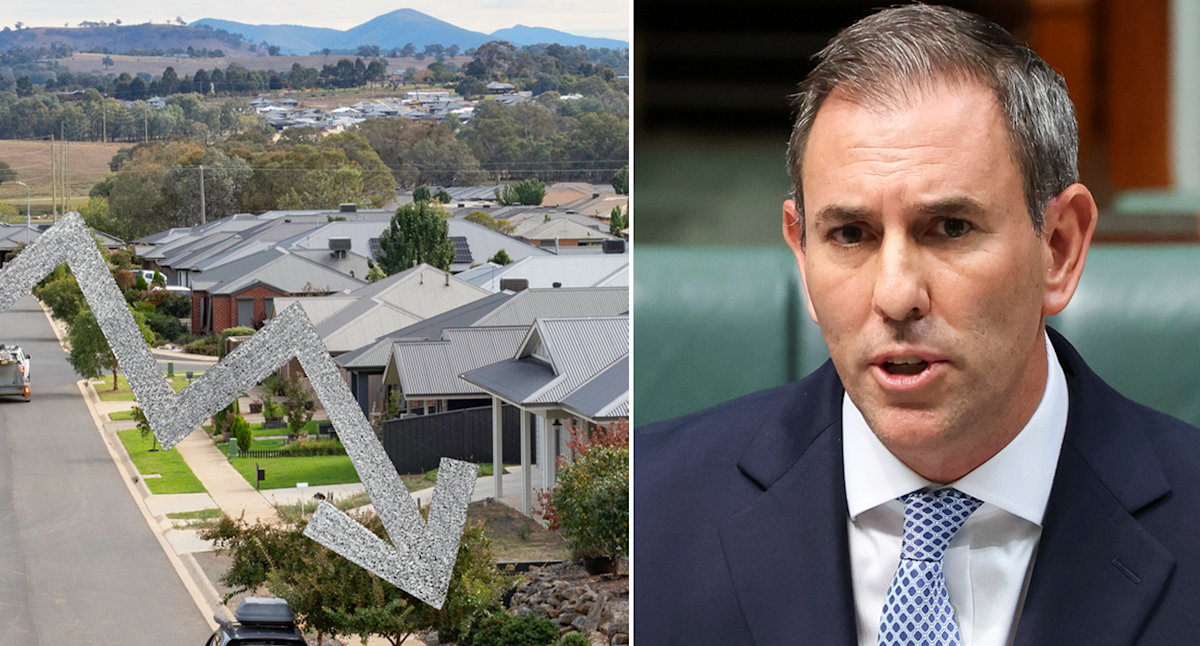
As Australians brace for significant shifts in property investment regulations, financial advisors and investors alike are anticipating transformative tax reforms in the upcoming federal budget. Federal Treasurer Jim Chalmers is expected to unveil these changes on 12th May, amidst growing speculation about reducing the capital gains tax (CGT) discount for property investments.
According to insiders, the government is considering lowering the CGT discount from the current 50% to around 33%. This potential modification is part of the Treasury’s broader effort to foster equity in the housing market across generations. The intent is to curb the disparity in property wealth, particularly as rising property prices have exacerbated the gap between older investors and first-home buyers.
Key Changes Under Consideration
-
Reduction of CGT Discount: The primary focus is on reducing the CGT discount for investment properties held for longer than a year, aiming to shift the investment narrative towards more sustainable practices.
-
Negative Gearing Adjustments: There are whispers that the government may also place restrictions on negative gearing, potentially limiting its application on the number of properties.
- Potential Exemptions for New Builds: New housing developments might remain exempt from the CGT changes, retaining the 50% discount to stimulate construction and address the housing supply crisis.
Financial Implications of the Proposed Tax Reforms
Ben Nash, a financial advisor and contributor to Yahoo Finance, highlighted the significant impact such a tax reduction would have on real estate investors. With the planned decrease from 50% to 33%, a property generating a $1 million capital gain would mean a taxable amount of $670,000 instead of $500,000, resulting in approximately $80,000 more in tax.
Nash equates this change to a "structural reset" for property wealth generation in Australia, suggesting it will shift foundational methods of building wealth through real estate investment.
Industry Perspectives
The financial services sector is responding proactively. Tax accountant Belinda Raso noted that there seems to be a consensus among experts that these changes are imminent, given the layers of media coverage surrounding the reform discussions. She raised concerns about how the projected savings of $12 billion from the CGT changes will be reallocated in the budget.
The Broader Impact on Generational Wealth
The government’s stated aim to tackle generational inequality in the property market may inadvertently reinforce the position of existing investors. With a clear impact on those looking to enter the property market anew, the proposed changes could diminish the attractiveness of property investment as a vehicle for wealth accumulation.
As the broader economic landscape influences these discussions—amidst looming risks of global recession as flagged by the IMF—the government faces a delicate balance in crafting an ambitious yet responsible budget.
What Lies Ahead
With less than a month until the budget announcement, the financial community is keenly awaiting further clarity on the government’s plans. As treasurer Chalmers prepares to finalize the budget, the implications of the anticipated changes to CGT will be pivotal in reshaping the property investment narrative in Australia, potentially affecting policies and strategies adopted by current and prospective property investors alike.
In summary, the forthcoming federal budget may mark a significant turning point in Australia’s property investment landscape, with far-reaching consequences for wealth building, housing affordability, and generational equity. Individuals and professionals in the financial sector must prepare to adapt to these potential changes as they emerge.