Table of Contents
Rising Coffee Prices: An Aussie Café Owner’s Experience
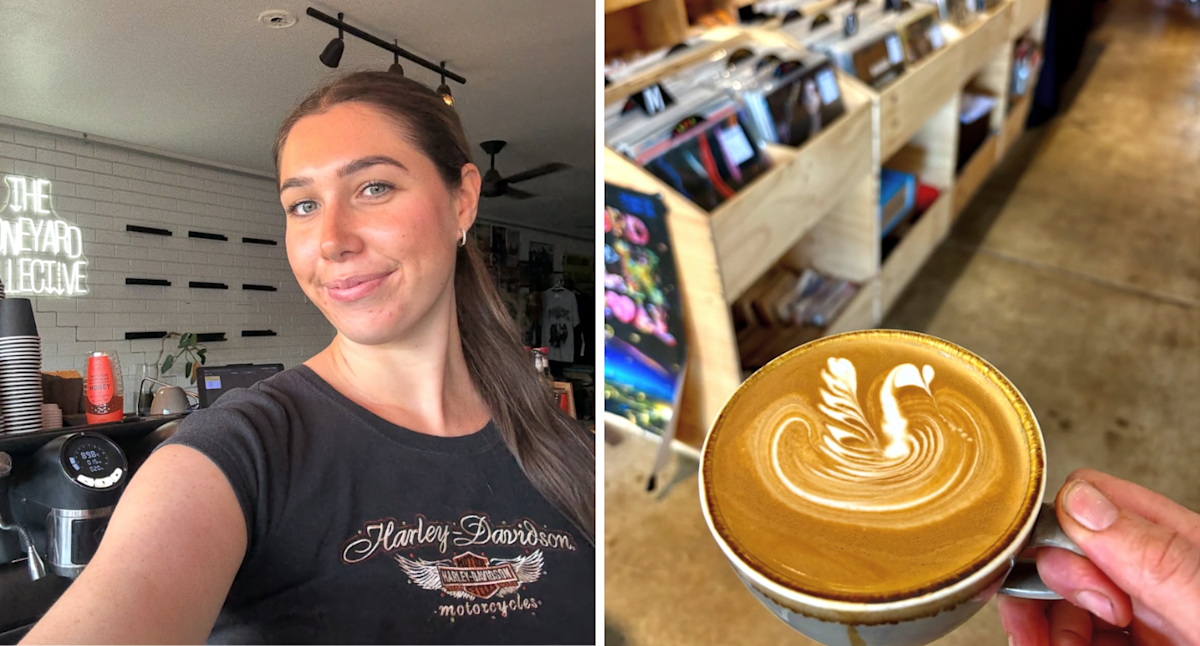
Ruby Rule, a young entrepreneur who runs three cafes in Queensland, recently raised coffee prices, igniting a wave of feedback from customers. Facing rising operational expenses, Rule had kept her prices stable for nearly three years. However, mounting costs prompted her to review her pricing strategy to maintain financial sustainability.
The Price Adjustments
Despite keeping the price for an 8oz coffee at $5, Rule increased prices for larger sizes: a medium 12oz coffee went from $5.50 to $6.30, and a large 16oz from $6 to $6.80. Additionally, the surcharge for alternative milk was raised from 50 cents to 75 cents. Rule empathised with regular customers, particularly pensioners who frequently bought coffee using a $5 note, leading her to maintain the price of the small coffee.
“We tried everything to negotiate with our suppliers and reduce costs, but after relocating to a new venue with rents tripling, it became unsustainable for us,” Rule explained.
Customer Reactions
While most customers accepted the price increase, Rule faced opposition from a few, including a regular who reacted strongly to the adjustments. His daily flat white jumped from $5 to $5.80, which he deemed excessive. The customer lectured Rule on inflation and voiced his discontent with the coffee price rising by 16%.
Despite this, Rule attempted to clarify the need for price adjustments due to the changing cost landscape, including soaring coffee bean prices triggered by supply issues.
Industry Context
Recent reports indicated significant rises in global coffee prices, with certain coffee bean costs soaring by 200% over two years. Factors such as Brazil’s drought have exacerbated supply shocks, contributing to increased operational costs for cafés like Rule’s. However, coffee itself represents only a fraction of the final price, with about $1.76, or 36%, of a $4.88 cup allocated to wages.
According to Abdullah Ramay, CEO of a coffee roaster, cafés charging under $5 for coffee may be losing money and should consider raising their prices every six to twelve months, especially given the rising costs of operations.
Business Challenges and Outlook
Rule highlighted that despite her anxiety regarding potential drop-offs in customer numbers post-price increase, her cafés remained as busy as ever, indicating a resilience in customer patronage. "It reassured me that we aren’t deterring customers with our pricing adjustments," she remarked, relieved that business remained steady.
Understanding that price increases are often met with concern, Rule stresses that small business owners are not motivated by greed but rather by survival and sustainability in their communities. She aims to foster better public understanding of the realities faced by café owners like herself.
“None of us are in this to rip anyone off or to become wealthy. We’re here because we love our community and want to continue doing what we do,” Rule concluded.
Rule plans to regularly reassess her pricing as costs continue to fluctuate. Despite the challenges ahead, she embraces the opportunity to support her staff and maintain her business amid an evolving economic landscape.
In summary, Ruby Rule’s experience depicts the delicate balance café owners must strike between affordability for customers and the rising costs of doing business, demonstrating the broader challenges within the hospitality sector.